In many modern kitchens, cooking can quickly lead to lingering odours, smoke, and grease particles that make the space uncomfortable and unpleasant. Whether it’s frying, grilling, or simmering, these airborne pollutants can spread throughout the home, affecting the air quality and even your furniture. In apartments or kitchens where venting to the outside is not an option, this becomes an even bigger challenge. A carbon filter cooker hood offers a practical solution, helping to capture and neutralise these cooking by-products, ensuring your kitchen remains fresh and odour-free without the need for external ducts.
What is a Carbon Filter Cooker Hood?
A carbon filter cooker hood is a kitchen ventilation system designed to remove cooking odours, smoke, grease, and other pollutants from the air. Unlike ducted hoods that expel air outside, carbon filter hoods recirculate the air back into the kitchen after it passes through an activated carbon filter. The filter absorbs and neutralises unwanted smells and grease particles, helping to maintain a fresh and clean environment in the kitchen. These hoods are ideal for homes or kitchens where external venting is not possible, such as in apartments or rooms without external vents.
Type of Carbon Filter Cooker Hood
Here are the common types and sizes of carbon filter cooker hoods:
Wall-Mounted Cooker Hoods
Wall-mounted carbon filter cooker hoods are designed to be installed on the wall above your cooktop. These are the most traditional style and come in various widths, including the popular 60cm model. Wall-mounted models are often more visible and can add an aesthetic touch to the kitchen, making them a great choice for larger kitchens.
Integrated or Built-In Cooker Hoods
Integrated cooker hoods are installed into kitchen cabinets, creating a seamless look in your kitchen. They are discreet and ideal for those who prefer a minimalist or sleek kitchen design. These hoods are usually available in 60cm sizes and are designed to blend in with your cabinetry while offering powerful performance.
Island Cooker Hoods
Island cooker hoods are designed for kitchens with an island cooktop. These hoods are installed on the ceiling above the island and are often larger to provide optimal ventilation for an open kitchen layout.
Under-Cabinet Cooker Hoods
These are mounted directly underneath a kitchen cabinet, providing a compact and practical option for kitchens where wall space is limited. They are often available in 60cm widths and are popular for smaller kitchens, offering the benefits of a carbon filter without taking up too much room.
Size Consideration: 60cm Carbon Filter Cooker Hood
The 60cm carbon filter cooker hood is one of the most common sizes, perfect for smaller to mid-sized cooktops. It is versatile and ideal for kitchens with limited space or for those who only cook for a small group. However, if you have a larger cooktop or need more powerful extraction, a wider hood (e.g., 90cm) may be a better fit.
Are Carbon Filter Cooker Hoods Good?
Carbon filter cooker hoods are an excellent choice for improving kitchen air quality, especially in spaces where external venting isn’t possible. They efficiently trap cooking odours, smoke, and grease, making them a practical solution for homes, apartments, or kitchens without ducting. This makes them a great option for those looking for a convenient and effective way to remove unpleasant cooking smells without the need for major installation work.
However, carbon filter cooker hoods are not perfect, and their effectiveness can vary. One of the key benefits is that they can significantly reduce cooking odours and grease in the air. However, they are less effective at filtering out smaller, harmful particles like PM2.5 (fine particulate matter), which can be a concern if you're sensitive to air pollution. Also, they may not handle gases like NO2 from gas stoves as well as other filtration systems like HEPA or MERV filters.
What Are the Disadvantages of a Carbon Filter?
While carbon filters can do a good job at removing odours and grease, they do have some disadvantages:
Decreasing Efficiency Over Time:
Carbon filters lose their effectiveness quickly, particularly with frequent use. Studies have shown that the removal efficiency of carbon filters can drop dramatically, sometimes as much as 30-40% within a few weeks. For instance, in a study testing carbon filters' ability to remove NO2 from gas stoves, the removal rate dropped from 56% to just 19% after 19 days of use.
Limited Particle Filtration:
Carbon filters are less effective at capturing very fine particles like PM2.5, which are harmful to the lungs and can contribute to respiratory issues. They also don't capture gases like nitrogen dioxide (NO2) well, especially in kitchens with gas stoves.
Not a Permanent Solution:
As mentioned, the performance of carbon filters decreases significantly over time. This means you will need to replace the filters regularly, usually every 3–6 months, depending on usage. Failure to replace them in time can lead to a build-up of pollutants in your kitchen air, rather than removing them.
How to Change the Carbon Filter Cooker Hood?
Changing the carbon filter in your cooker hood is a simple yet essential task to maintain effective air purification. The process can vary slightly depending on the model and type of filter, but here are the general steps:
- Turn off the Cooker Hood: Always ensure the cooker hood is switched off and unplugged before starting any maintenance.
- Remove the Filter: Depending on the design, you might have a circular carbon filter or a flat, rectangular filter. For circular filters, twist or slide it out from the designated slot. For flat filters, remove any securing clips or screws before pulling the filter out.
- Replace with a New Filter: Once you’ve removed the old filter, place the new one in the same position. Ensure it fits snugly in place and is secured properly.
Types of Carbon Filters
Circular Filters: These are typically found in smaller or more compact hoods. They are often designed to fit specific models.
Flat or Rectangular Filters: More common in larger, wall-mounted or integrated models, these filters provide a broader surface area for capturing cooking odours and grease.
Ciarra Cooker Hood Filter Videos
Ciarra offers models with both circular and flat carbon filters. You can view helpful demonstration videos on how to change the carbon filter for each model:
Circular Filter Models: Ciarra provides a step-by-step video for easy filter replacement.
Flat Filter Models: There is also a video guide for larger models with rectangular filters, showing you how to efficiently change and maintain the filters.
Can You Wash Carbon Filters for Cooker Hoods?
No, you cannot wash carbon filters for cooker hoods. Carbon filters are designed to absorb odours and grease, and washing them can damage the filter’s material, reducing its effectiveness. Instead of washing, you should replace the carbon filter when it becomes saturated or loses its ability to purify the air.
How Often Should You Change the Carbon Filter in a Cooker Hood?
Carbon filters should be replaced approximately every 3 to 6 months, depending on the frequency of use. If you cook frequently or prepare strong-smelling dishes, you may need to replace the filter more often to maintain effective air purification.
Conclusion:
Carbon filter cooker hoods offer an effective and convenient way to keep your kitchen air clean, particularly in homes with limited ventilation options. While they are highly efficient at removing cooking odours and grease, it’s important to remember that their performance can diminish over time. Regular maintenance, including timely filter replacements, will ensure that your hood continues to perform optimally. Whether you choose a wall-mounted, integrated, or island model, a carbon filter cooker hood is a valuable addition to any kitchen, enhancing both air quality and your cooking experience.
News
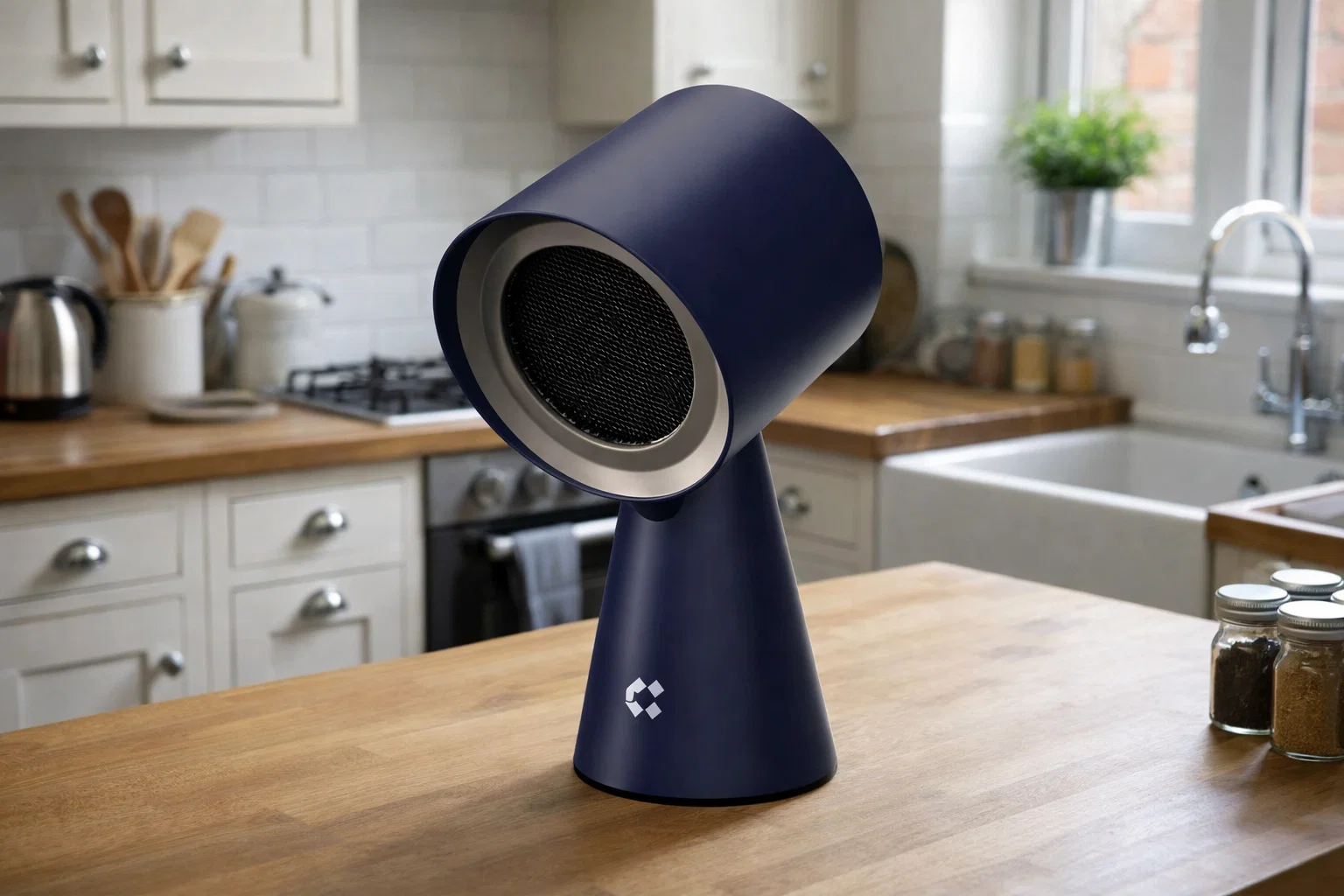
Tiny Kitchen Essential: Powerful Portable Extractor Fan

Hard vs Soft Water


Comments
There are no comments yet.