When you are crisping up bacon, searing a steak, or preparing a family dinner, the last thing you want is a kitchen full of lingering smoke, steam, and heavy cooking odours. Whether you have a striking island cooker hood over a central cooking station, a sleek and space-saving angled cooker hood, or a seamless integrated cooker hood hidden within your cabinetry, a breakdown transforms your kitchen from a comfortable living space into a greasy, humid environment. This makes cleanup a hassle and potentially sets off your smoke alarms.
The good news is that many cooker hood problems are caused by relatively simple issues, such as a power supply fault, clogged filters, blocked ducting, or worn electrical components. In many cases, these problems can be identified and resolved without immediately replacing the appliance.
This comprehensive troubleshooting guide covers the 6 most common reasons your cooker hood is malfunctioning, how to fix them safely across different models, and when it is time to upgrade to a modern, high-performance extraction system.
1. Power Supply Issues & Tripped Fuses
The most frequent reason an extractor hood completely refuses to turn on is a simple disruption in the electrical supply. Before assuming the motor is dead, you should inspect the primary power route.
A Tripped Circuit: Check your home’s main consumer unit (fuse box). Extractor fans are often wired into the same ring main circuit as other kitchen sockets or lighting. If a circuit breaker has tripped down, flip it back on.
A Blown Fuse: In the UK and many European installations, cooker hoods are connected via a switched fused spur or a standard 3-pin plug. If the hood is completely unresponsive, replace the fuse (typically a 3A or 5A fuse) in the plug or spur faceplate.
Faulty Wall Socket: If your hood plugs into a standard socket, unplug it and test the socket using a smaller household appliance (like a kettle or toaster) to verify if the outlet itself has failed.
Safety Warning: If your cooker hood continuously trips your consumer unit immediately after being reset, there is an active short circuit inside the appliance. Turn off the power at the mains and call a qualified electrician.

How to Fix It
Start with the simplest checks:
- Ensure the hood is plugged in securely.
- Check your consumer unit or fuse box.
- Reset any tripped breakers.
- Test the socket using another appliance.
- Inspect visible wiring for damage.
If power is reaching the appliance but it still won't start, the fault may lie within the control board or internal wiring.
2. Heavily Clogged Grease or Charcoal Filters
If you can hear your cooker hood motor running but notice that smoke, grease, and steam are swirling around the kitchen instead of being drawn away, your filters are likely blocked. Over time, airborne grease accumulates, choking off the suction power.
Symptoms of Filter Failure:
- The fan runs loudly but clears very little air.
- A sticky, yellow, or brown residue builds up on your kitchen cabinetry.
- Persistent cooking odors remain in the room hours after cooking.


How to Clean and Restore Flow
Metal Mesh & Baffle Filters: Unclip the filters from the underside of the hood. Soak them in hot water mixed with a heavy-duty degreasing dish soap for 20 minutes, then gently scrub with a non-abrasive brush. Alternatively, run them through a standard dishwasher cycle. Ensure they are completely dry before clicking them back into place.
Charcoal Filters (Recirculating Hoods): Activated carbon filters cannot be cleaned. If your hood recirculates air back into the kitchen rather than venting it outside, these filters must be replaced every 3 to 6 months to maintain odor control.
3. Fan and Motor Malfunctions
The motor is the heart of the cooker hood. If it fails, extraction performance will suffer or stop completely.
Symptoms
- Fan does not spin
- Loud humming sounds
- Grinding noises
- Burning smell
- Complete loss of extraction
What to Check
Disconnect the power and inspect for:
- Grease build-up around the fan
- Debris blocking the blades
- Visible motor damage
If the motor has burned out, replacement is usually required.
4. Ventilation Duct Blockage or Poor Installation Design
For ducted extractor hoods that vent air outside your home, performance is entirely dependent on the structural integrity of your ducting pathway.
External Wall Vent Blockage: Check the external gravity flap or louvred vent on the outside wall of your house. Birds' nests, accumulated grease, or leaves can wedge the flap shut, preventing air from escaping.
Improper Ducting Materials: Flexible foil or plastic ducting can sag, wrinkle, or crack over time, severely restricting airflow. Upgrading to rigid PVC or smooth-walled metal ducting dramatically improves extraction efficiency and lowers noise levels.
Excessive Bends: If your ducting path travels a long distance or features multiple 90-degree elbows, the resistance drops suction power. Keep duct runs as straight and short as possible.
Solution
- Inspect accessible sections of ductwork and ensure the external vent flap opens correctly.
- For the best performance, rigid ducting with minimal bends is recommended.
5. Electronic Control Board and Switch Failures
Modern cooker hoods often include:
- Touch controls
- LED displays
- Smart sensors
- Automatic extraction modes
When electronic components fail, the cooker hood may appear completely unresponsive.

Symptoms
- Buttons do not respond
- Fan speeds cannot be changed
- Display panel not working
- Intermittent operation
Solution
Try performing a power reset:
- Turn off the appliance.
- Disconnect power for five minutes.
- Restore power and test again.
If the problem persists, the control board may require professional replacement.
6. Internal Wiring Failures
Kitchen environments experience massive temperature fluctuations and high humidity levels. Over a decade of use, moisture and vibration from the fan motor can cause internal wire terminals to loosen, corrode, or degrade.
If you open the internal housing and spot scorched wires, melted plastic connectors, or loose ground wires, do not attempt to patch them up with electrical tape. Internal wiring issues require systematic diagnostic testing using a multimeter to pinpoint the exact broken connection.
When to Call a Certified Appliance Engineer?
While many cooker hood issues can be resolved through basic troubleshooting, some problems require the expertise of a certified appliance engineer. Seeking professional help ensures the repair is carried out safely and correctly, particularly when electrical components are involved.
You should contact a certified appliance engineer if:
- The cooker hood has no power after checking the fuse, plug, and circuit breaker.
- The motor has stopped working or is making loud grinding, buzzing, or burning noises.
- You notice damaged wiring, burning smells, or signs of electrical faults.
- The control panel, touch controls, or electronic display are malfunctioning.
- The cooker hood repeatedly trips the circuit breaker.
- The extraction performance remains poor after cleaning or replacing filters.
- The ducting system may require inspection, repair, or reconfiguration.
- Replacement parts such as motors, capacitors, or circuit boards are needed.
Your appliance is still under warranty and repairs must be completed by an authorised technician to maintain coverage.
What is the Realistic Lifespan of a Cooker Hood?
The realistic lifespan of a cooker hood is typically 10 to 15 years, although this can vary depending on the quality of the appliance, how often it is used, and how well it is maintained.
Average Lifespan by Usage
Light use (occasional cooking): 15 years or more
Average household use: 10–15 years
Heavy daily cooking: 8–12 years
Premium cooker hoods with high-quality motors, stainless steel construction, and regular maintenance often last longer than entry-level models.
How to Extend the Lifespan of Your Cooker Hood
To maximise longevity:
Clean metal grease filters every 1–3 months.
Replace charcoal filters every 3–6 months (or as recommended by the manufacturer).
Wipe away grease build-up regularly.
Check ducting for blockages annually.
Avoid running the hood at maximum speed unnecessarily.
Schedule professional servicing if performance declines.
With proper care, a well-built cooker hood can continue to provide effective ventilation for well over a decade, helping keep your kitchen fresh, clean, and free from cooking odours.
When to Replace vs. Repair Your Cooker Hood
Whether you should repair or replace your cooker hood depends on its age, condition, and repair costs.
Repair Your Cooker Hood If:
- It is less than 10 years old.
- The issue is minor, such as dirty filters, faulty lights, or a broken switch.
- Replacement parts are available.
- The repair cost is relatively low.
- The hood still provides good extraction performance.
Replace Your Cooker Hood If:
- It is over 10–15 years old.
- The motor or control board has failed.
- Repairs are becoming frequent.
- Spare parts are difficult to find.
- Extraction remains poor even after maintenance.
- Repair costs exceed 50% of the price of a new model.
Quick Tip
As a general rule, repair minor faults on newer cooker hoods, but consider replacing older units with major mechanical or electrical problems. A modern cooker hood can offer better extraction, quieter operation, and improved energy efficiency.
News

Sustaining Quality, Elevating Kitchens: The CIARRA Story So Far
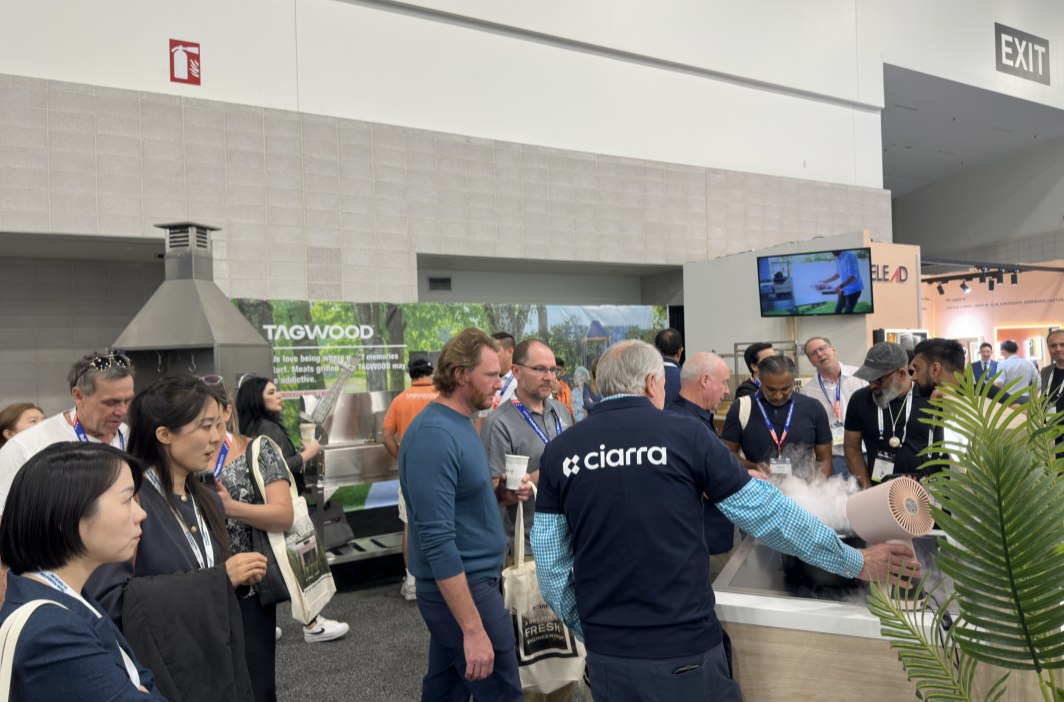
From IFA to KBIS: Ciarra’s Global Expansion and 8-Year Milestone


Comments
There are no comments yet.