Cooker hoods are an essential part of modern kitchens across the UK and Europe. Whether you live in a compact London flat, a Paris apartment, or a family home in Germany, a reliable cooker hood helps remove smoke, grease, and cooking odours while keeping your indoor air fresh. Today, many homeowners choose different styles depending on their kitchen design, such as a sleek angled cooker hood that offers better headroom above the hob, or an integrated cooker hood that fits neatly inside a kitchen cabinet for a more discreet look.
However, like any kitchen appliance, both angled and integrated cooker hoods can develop problems over time. Reduced suction, excessive noise, or lingering cooking smells are common issues that many households experience.
The good news is that most cooker hood problems are relatively easy to identify and resolve. In the following guide, we’ll walk through some of the most common issues affecting cooker hoods and explain practical steps you can take to restore proper ventilation in your kitchen.
How to Troubleshoot a Cooker Hood?
To troubleshoot a cooker hood effectively, the first step is to clearly understand what type of problem the cooker hood is experiencing. Many people try to fix the appliance immediately, but without identifying the specific fault, it becomes difficult to solve the issue properly.
In most homes across the UK and Europe, cooker hood problems usually fall into a few common categories. Once you recognise the exact issue—such as weak suction, unusual noise, or lighting problems—you can take the correct steps to fix it.
Below are some of the most common range hood faults and practical ways to troubleshoot them.
1. Weak Suction or Poor Extraction
One of the most frequent complaints is that the cooker hood no longer removes smoke, steam, or cooking smells effectively.
Possible causes:
- Grease filters are clogged with oil
- Carbon filters are saturated
- Ducting is blocked or poorly installed
- Extraction power is too low for the kitchen size
How to fix it:
Start by cleaning the metal grease filters. In most European kitchens, these filters should be cleaned every 2–4 weeks, especially if you cook frequently. Many can be washed in the dishwasher.

If your hood operates in recirculation mode, replace the carbon filters, which typically need changing every 3–6 months.
For ducted hoods, check the ventilation duct for blockages or excessive bends, as this can significantly reduce airflow.
You might be interested in:
2. Cooker Hood Is Too Noisy
While cooker hoods naturally produce some sound, excessive noise can indicate a problem.
Possible causes:
- Loose installation or mounting brackets
- Dirty filters restricting airflow
- Fan blades clogged with grease
- Ducting with too many sharp bends
How to fix it:
First clean the filters, as blocked filters force the motor to work harder. Next, check that the hood is firmly mounted to the wall or cabinet.
If the noise comes from the ducting system, reducing the number of bends or using wider ducting can help improve airflow and reduce sound.
You might be interested in:
3. Cooker Hood Lights Not Working
Another common issue is when the cooker hood light stops working.
Possible Causes
- Burnt-out LED or halogen bulb
- Loose wiring connection
- Faulty control switch
How to Fix It
Start by replacing the bulb with the correct model recommended by the manufacturer. Many modern cooker hoods use energy-efficient LED lights that last longer but still require occasional replacement.
If replacing the bulb doesn’t solve the issue, the problem may be related to wiring or the control board.

4. Grease Dripping from the Hood
Grease dripping from the underside of the hood can make the kitchen messy and indicates a maintenance issue.
Possible causes:
- Grease filters are overloaded
- Oil buildup inside the hood body
- Frequent frying or heavy cooking
How to fix it:
Remove the grease filters and clean them thoroughly with hot water and degreasing detergent. In many cases, stainless steel filters can be safely washed in a dishwasher.
Regular cleaning prevents grease accumulation and improves the hood’s performance.

5. Cooker Hood Not Turning On
If the hood doesn’t respond at all, the issue may be electrical.
Possible causes:
- Power supply problem
- Tripped circuit breaker
- Faulty control panel or switch
- Motor failure
How to fix it:
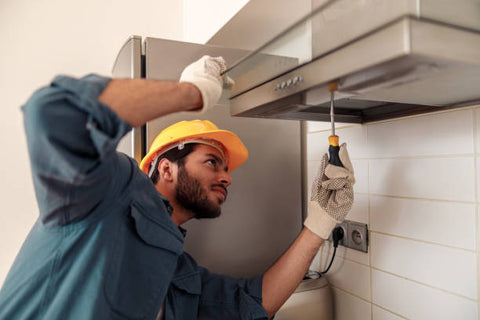
Check that the appliance is connected to power and that the fuse or circuit breaker hasn’t tripped. If the hood still doesn’t operate, a technician may need to inspect the internal components.
What is the Life Expectancy of a Cooker Hood?
The life expectancy of a Cooker hood typically ranges from 10 to 15 years in most UK and European households. However, the actual lifespan depends on several factors, including the quality of the appliance, how frequently you cook, and how well the hood is maintained.
In homes where cooking is done daily—especially frying or high-heat cooking—the hood’s filters and motor may experience more wear. On the other hand, regular maintenance can significantly extend the lifespan of the appliance.
Factors That Affect the Lifespan of a Range Hood
1. Regular Filter Maintenance
Grease filters should be cleaned every 2–4 weeks, while carbon filters in recirculating hoods should usually be replaced every 3–6 months. Dirty filters force the motor to work harder, which can shorten the hood’s lifespan.
2. Type of Ventilation System
Ducted range hoods often last longer because they expel air directly outside. Recirculating hoods rely more heavily on filters, which require more frequent maintenance.
3. Cooking Habits
Frequent cooking, especially frying, grilling, or wok cooking, produces more grease and smoke. This can increase wear on the fan and motor over time.
4. Quality of the Motor and Build
Higher-quality range hoods with durable motors and stainless-steel construction tend to last longer than basic models.
How to Extend Your Cooker Hood’s Lifespan
Like any kitchen appliance in European homes, a cooker hood performs best and lasts longer when it’s properly maintained. Here are practical tips to keep your hood working efficiently for years:
1. Clean grease filters regularly
Grease buildup not only reduces suction but also poses a fire hazard. In most UK and European kitchens, it’s recommended to clean metal grease filters every 2–4 weeks, depending on cooking frequency.
2. Replace charcoal or carbon filters as needed
For ductless or recirculating cooker hoods, replace carbon filters every 3–6 months. This ensures lingering cooking odours are properly absorbed.
3. Wipe down the hood exterior and fan blades
Regularly clean the outer shell and internal fan blades to prevent sticky residue and grease from accumulating, which can impact airflow and motor performance.
4. Avoid running the hood at full speed constantly
Use lower fan speeds for lighter cooking. Running the hood at maximum power unnecessarily can wear the motor faster and reduce its lifespan.
5. Schedule professional inspections
Once a year, have a qualified technician inspect your ducting, fan, and wiring, especially for older cooker hoods. This helps prevent small issues from becoming major problems.
Do I Need an Electrician to Replace a Range Hood?
In many cases, you do not necessarily need an electrician to replace a cooker hood, especially if you are simply replacing an existing unit with a similar model. Many homeowners across the UK and Europe install their own cooker hoods when the electrical connection is already in place.
However, whether you need an electrician depends on the type of installation and the existing wiring in your kitchen.
When You Usually Don’t Need an Electrician
You can often replace a cooker hood yourself if:
- The new hood is replacing an old one in the same position
- The hood uses a standard plug connection
- The existing wiring and socket are already installed
You are comfortable with basic DIY tasks such as mounting the hood and connecting ducting
In many UK and European kitchens, cooker hoods are installed with a plug-and-socket connection inside the cabinet or above the hood, which makes replacement relatively straightforward.
When You May Need an Electrician
It’s best to call a qualified electrician if:
- The hood needs to be hardwired directly into the electrical system
- New wiring or a new power outlet must be installed
- You are moving the cooker hood to a different location
- You are unsure about the electrical safety requirements
Electrical work in the UK and EU often needs to follow local safety regulations, so professional help may be required in these situations.
Other Installation Considerations
- Besides the electrical connection, installing a cooker hood also involves:
- Securing the hood to the wall or cabinet
- Installing or connecting the ducting system (for ducted hoods)
- Ensuring the hood is installed at the correct height above the hob
- Checking that filters and ventilation components are fitted correctly
Helpful Installation Guide
If you want a clear step-by-step demonstration, you can watch the Ciarra cooker hood installation video, which explains the full installation process in detail—from mounting the hood to connecting the ventilation system.
The video is designed to make installation easier for homeowners and shows practical tips that many people find helpful when replacing a cooker hood for the first time.
Watching a detailed installation guide can give you a good idea of whether the job is something you can handle yourself or if professional assistance would be the safer option.
You might be interested in:
FAQs
Why is My Cooker Hood Not Extracting Properly?
Poor extraction is usually caused by clogged grease filters, saturated carbon filters, or blocked ducting. Cleaning the metal filters and replacing the carbon filters can often restore proper airflow. If your hood is ducted, also check that the ventilation duct is not obstructed.
How Often Should I Clean the Filters in a Cooker Hood?
In most UK and European households, grease filters should be cleaned every 2–4 weeks, depending on how often you cook. Carbon filters used in recirculating hoods typically need replacing every 3–6 months.
Why is My Cooker Hood Making More Noise Than Usual?
Excessive noise can occur if the filters are dirty, the hood is not securely installed, or the ducting system has too many bends. Cleaning the filters and checking the installation usually solves the issue.
What is the Correct Height for Installing a Cooker Hood?
Typical installation heights in the UK and Europe are:
- Electric or induction hob: around 55–65 cm
- Gas hob: around 65–75 cm
Installing the hood too high can reduce its ability to capture smoke and steam.
Why is Grease Dripping from My Cooker Hood?
This usually happens when grease filters are overloaded and haven’t been cleaned for a long time. Cleaning the filters regularly will prevent grease buildup and improve performance.
News

Sustaining Quality, Elevating Kitchens: The CIARRA Story So Far

From IFA to KBIS: Ciarra’s Global Expansion and 8-Year Milestone


Commenter
Il n'y a pas encore de commentaires.