As energy costs rise across Europe, finding an efficient and cost-effective way to heat your home has become more important than ever. Ceramic heaters are a popular choice for many households due to their compact size, fast heating capabilities, and safety features. Whether you're looking to heat a small bedroom, office, or even your campervan, ceramic heaters offer a practical solution for supplemental warmth in colder months.
What is a Ceramic Heater?
If you're trying to decide between a ceramic heater and a fan heater, it's important to understand how they differ, especially in how they heat a room.
There are two common types of ceramic heaters:
- With a fan: Distributes heat quickly across the room.
- Without a fan: Gently warms people and objects directly in front of it.
How Do Ceramic Heaters Work?
A ceramic heater works using resistance heating. Electricity passes through conductive ceramic plates, but since ceramic naturally resists the flow of electric current, this resistance causes the plates to heat up. The heat is then transferred into the surrounding air, often with the help of a built-in fan for better distribution.

Unlike traditional fan heaters that rely mainly on heating elements and forced air, ceramic heaters are known for being more efficient, quieter, and safer—thanks to their self-regulating ceramic components.
In short, a ceramic heater uses electricity to warm ceramic plates, which then radiate heat into the room. It's a smart choice for consistent, energy-efficient heating in smaller spaces.
Which is Better, an oil-filled Heater or a Ceramic?
Choosing between an oil-filled heater and a ceramic heater depends on your specific needs, room size, and personal preferences.
Choose an Oil-Filled Radiator Heater if:
You need long-lasting heat in a medium to large room.
Oil-filled heaters provide slow but steady warmth, making them ideal for keeping larger spaces consistently warm over long periods.
You want a quiet heater for bedrooms or home offices.
Since oil heaters do not use fans, they operate silently—perfect for sleep or focused work.
You suffer from allergies or asthma.
Without a fan blowing air, oil heaters don’t stir up dust or allergens, making them a cleaner option for sensitive individuals.
Choose a Ceramic Heater with Fan if:
You need quick heat in a small space.
Ceramic heaters heat up rapidly, offering immediate warmth in bathrooms, small bedrooms, or work areas.
You want instant comfort during extremely cold conditions.
The fan helps distribute heat quickly, making ceramic heaters effective for fast spot heating.
You have children and are concerned about safety.
Many ceramic heaters are designed with cooler exteriors, tip-over protection, and auto shut-off features, making them a safer option for households with kids.
When deciding between an oil-filled radiator heater and a ceramic heater, it's important to consider not just performance, but also energy efficiency and environmental impact. Ceramic heaters are generally more eco-friendly, especially for short-term or spot heating in smaller rooms.
They heat up quickly, use less electricity over short periods, and don’t rely on oils or fluids that may pose disposal challenges. Their compact design and recyclable materials also make them a greener option overall.
In contrast, oil-filled heaters are better suited for long, steady heating in larger spaces but tend to consume more energy during initial warm-up and run for longer durations.
While oil heaters provide consistent warmth and silent operation, ceramic heaters offer quicker heat, improved energy control, and a lower environmental footprint—making them a smart, sustainable choice for modern households.

Infrared Heater vs Ceramic Heater
When choosing the right heater for your home, it’s important not only to understand oil-filled radiators but also infrared heaters and ceramic heaters. Infrared heaters provide instant radiant heat without airflow, safely warming enclosed spaces without consuming oxygen or producing harmful gases, odors, or uncomfortable moisture. They work by converting electricity into infrared radiation—similar to the warmth you feel from sunlight or a wood fire—directly heating objects and people rather than the air in between.
While oil-filled radiators excel at long-lasting, steady heat in larger rooms, and infrared heaters offer efficient radiant warmth, ceramic heaters combine fast heating, energy efficiency, and safety features, making them the most versatile and effective option for most modern indoor spaces.
Advantages of Ceramic Heaters
-
Fast Heating
Ceramic heaters heat up quickly thanks to the efficient PTC (Positive Temperature Coefficient) ceramic heating elements, providing almost instant warmth. -
Energy Efficiency
PTC ceramic elements self-regulate their temperature, meaning they consume less energy once the desired heat level is reached—helping reduce electricity bills. -
Safe to Use
Ceramic heaters typically don’t get as hot on the surface as traditional coil heaters, reducing the risk of burns. Many also include built-in overheat protection and auto shut-off features. -
Compact and Portable
Their compact size makes ceramic heaters easy to move and ideal for personal or localized heating—perfect for desks, small rooms, or under desks. -
Even Heat Distribution
They provide consistent and steady heat without sudden temperature spikes, making the environment more comfortable. -
Low Noise Operation
Ceramic heaters generally operate quietly, making them suitable for bedrooms, offices, and other noise-sensitive environments. -
Durability and Long Lifespan
Ceramic heating elements are more durable and resistant to wear than traditional metal coils, ensuring reliable performance over time.
Are Ceramic Heaters Cheap to Run?
Most ceramic heaters on the market typically use between 1000 to 1500 watts. While they provide quick and efficient heating for small to medium rooms, their electricity cost depends on usage time and local energy rates. Overall, ceramic heaters are considered reasonably affordable to run when used for spot heating.
Is it Safe to Leave a Ceramic Heater on All the Time?
Ceramic heaters are generally designed with safety features like overheat protection and tip-over shutoff, making them safer than many other portable heaters. However, it is still not recommended to leave a ceramic heater running unattended for long periods or overnight. For peace of mind and to reduce fire risk, it’s best to turn off the heater when you leave the room or go to sleep.
Common Use Cases in Europe
- United Kingdom: Ideal for heating individual rooms in older stone houses with poor insulation.
- Germany & Austria: Commonly used in bathrooms or home offices where central heating is limited.
- France & Spain: Popular in second homes, vacation rentals, and mobile homes for off-season use.
- Nordic Countries: Useful as an extra heat source during extremely cold months, especially in basements or guest rooms.
Choosing the Best Ceramic Heater
When selecting a ceramic heater, consider the following:
| Feature | Why It Matters |
|---|---|
| Wattage (Power Output) | Determines how large a space it can heat (e.g. 1500W for ~15–20m²) |
| Thermostat & Timer | Helps control energy use and maintain comfort |
| Oscillation | Distributes heat more evenly across a wider area |
| Noise Level | Important for bedrooms or offices |
| Safety Certifications | Look for CE marking and overheat protection |
Recommended: The Best Fans and Ceramic Heaters
Why Choose Ciarra’s Fan and Ceramic Heater?

Fast and Efficient Heating: Unlike oil-filled heaters that take longer to warm up, Ciarra’s ceramic heater uses a PTC heating core to deliver rapid warmth, ideal for immediate comfort in small to medium spaces.
Year-Round Versatility: With 3-in-1 functions—heating, desk fan, and natural breeze modes—it works not only as a heater in winter but also as a cooling fan in summer, unlike oil radiators which only provide heat.

Ultra-Slim and Space-Saving Design: At just 5.5 cm thick, it fits easily into tight spaces and can be placed under desks, mounted on walls, or used as a free-standing unit, offering more placement flexibility than bulky oil heaters.
Energy-Efficient Operation: The ceramic heating element self-regulates to prevent overheating, reducing energy consumption compared to the longer running time of oil heaters.
Enhanced Safety Features: Anti-scald housing and automatic 6-hour shut-off provide peace of mind for families, outperforming many infrared heaters that may get very hot externally.
Quiet and Comfortable: Unlike fan-only heaters that can be noisy, Ciarra’s ceramic heater offers adjustable 3-speed airflow to balance comfort and sound level, making it suitable for bedrooms and offices.
Cleaner Air Quality: Unlike fan heaters or oil heaters that can circulate dust or dry out the air, Ciarra’s ceramic heater provides gentle airflow without stirring allergens, making it better for sensitive users.
Final Thoughts
A ceramic heater is a practical, affordable, and energy-efficient choice for European homes and apartments. Whether you're battling cold winter mornings in the UK or supplementing heating in a German flat, ceramic heaters offer an ideal mix of speed, safety, and performance.
News
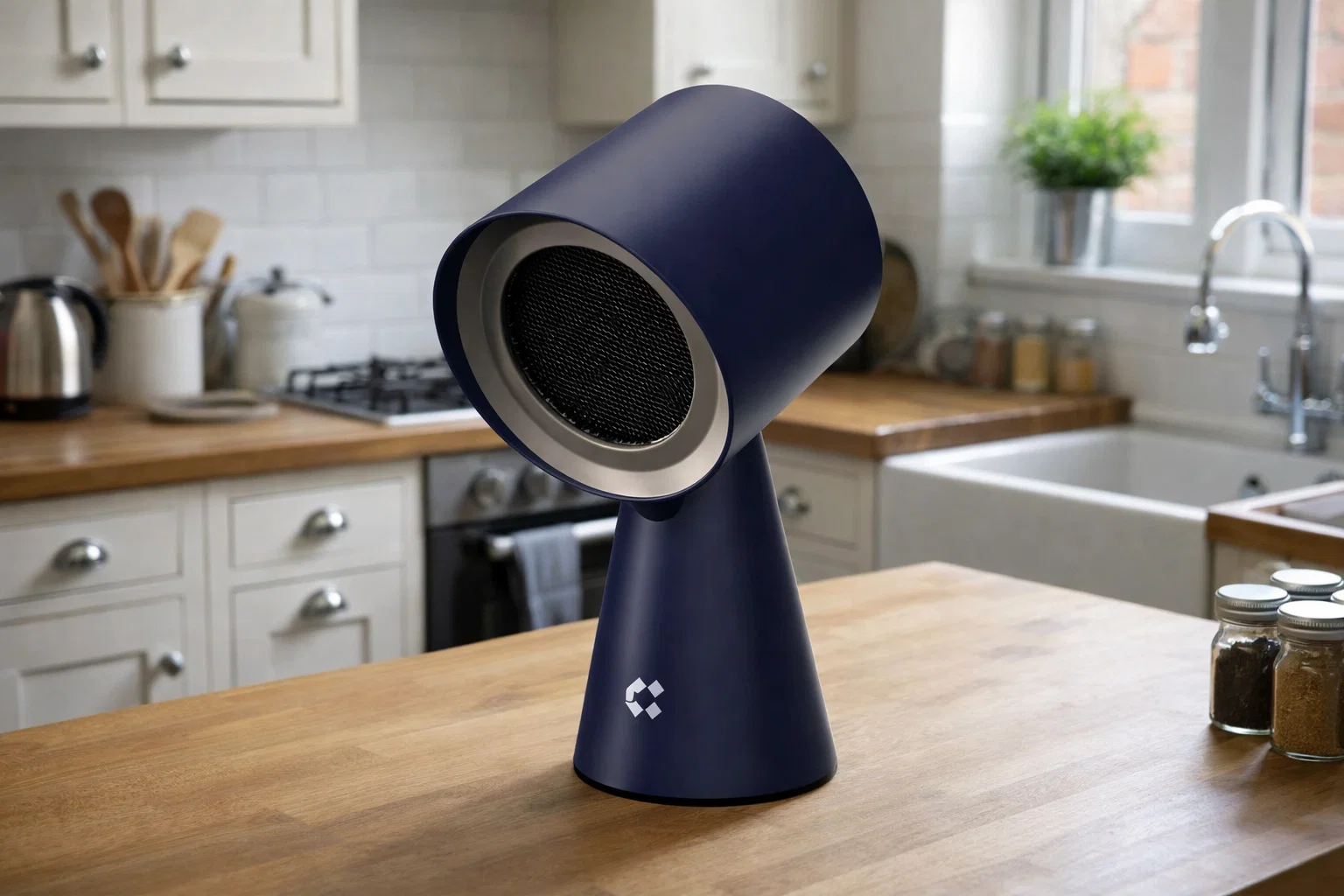
Tiny Kitchen Essential: Powerful Portable Extractor Fan

Hard vs Soft Water


Bemerkungen
Es gibt noch keine Kommentare.