When designing an open-plan kitchen or installing a central hob on an island, home renovators often hit a major design roadblock: traditional chimney hoods are bulky, block line-of-sight, and disrupt the flow of a modern living space.
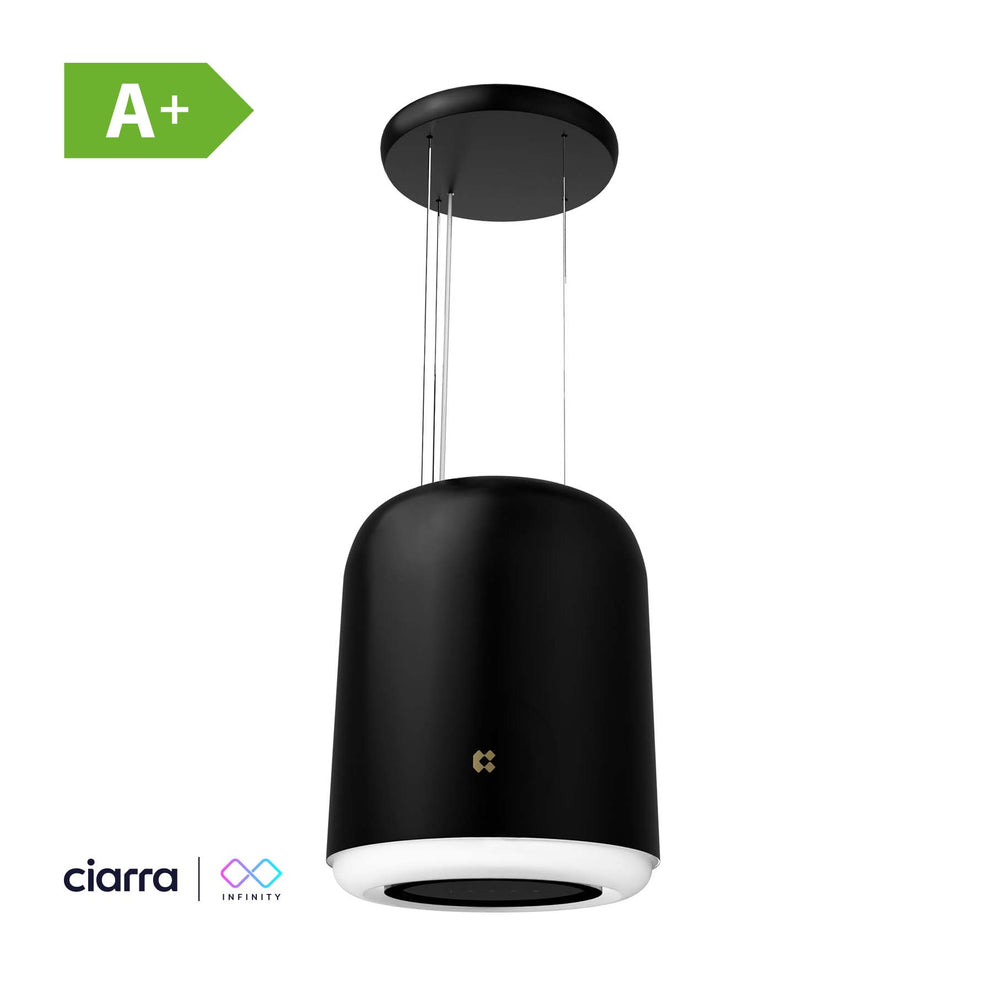
Enter the pendant extractor fan—also referred to as a suspended hood, hanging extractor fan, or island cooker hood. Combining high-efficiency air filtration with decorative ambient lighting, these appliances are designed to look less like industrial machinery and more like bespoke light features.
However, selecting the ideal pendant extractor fan requires balancing aesthetic appeal with practical kitchen physics. This guide breaks down everything you need to consider—from spatial layout and recirculation mechanics to noise management and ongoing maintenance—ensuring your kitchen remains both stylish and functional.
Is a Pendant Extractor Right for You?
|
Kitchen Scenario |
Ideal Choice? |
Reason / Alternative |
|---|---|---|
|
Open-Plan Island Cooktop |
Yes |
Keeps sightlines open while providing task lighting and odour control. |
|
No Venting/Ducting Access |
Yes |
Built specifically for easy ductless recirculation via carbon filtration. |
|
Heavy Daily Deep-Frying |
Consider Carefully |
Ducted wall chimney hoods offer higher moisture evacuation for heavy steam/grease. |
|
Very Low Ceilings |
Measure First |
Ensure the required 65cm–75cm safety clearance leaves comfortable headroom. |
What Is a Pendant Extractor Fan?
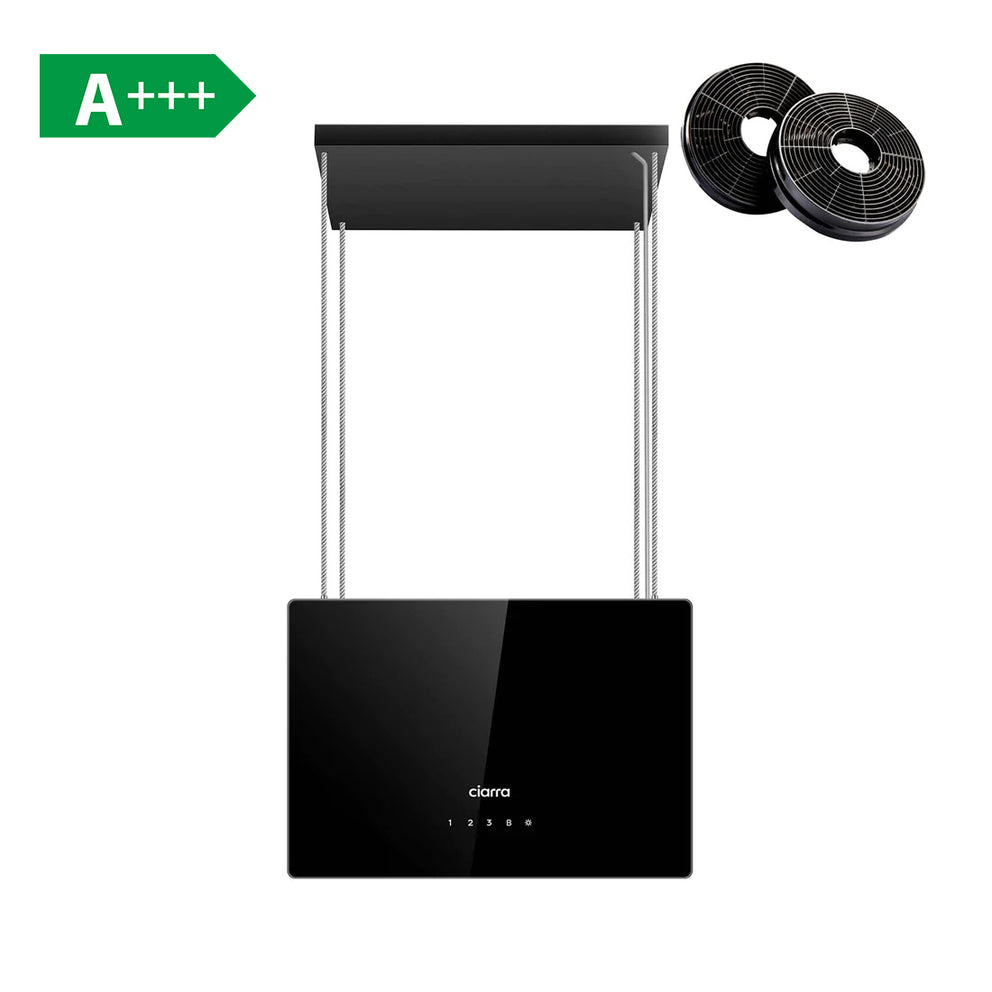
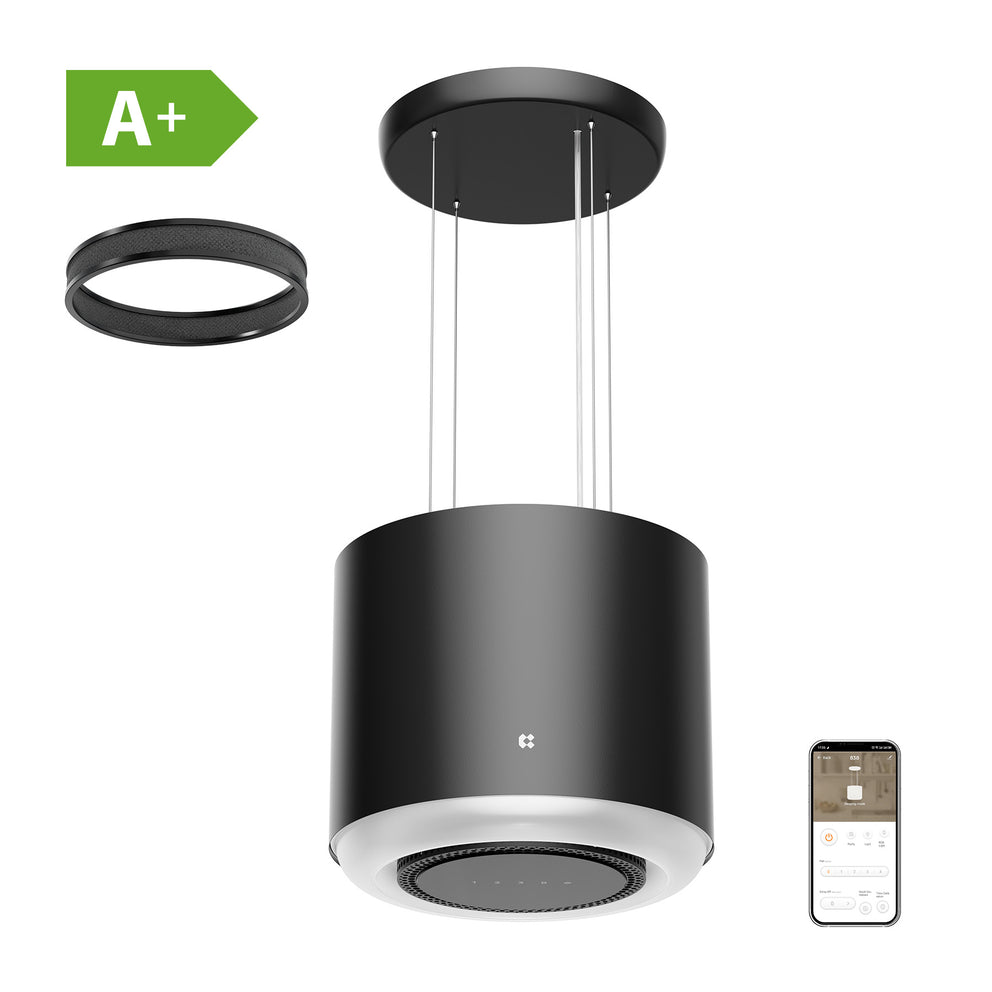
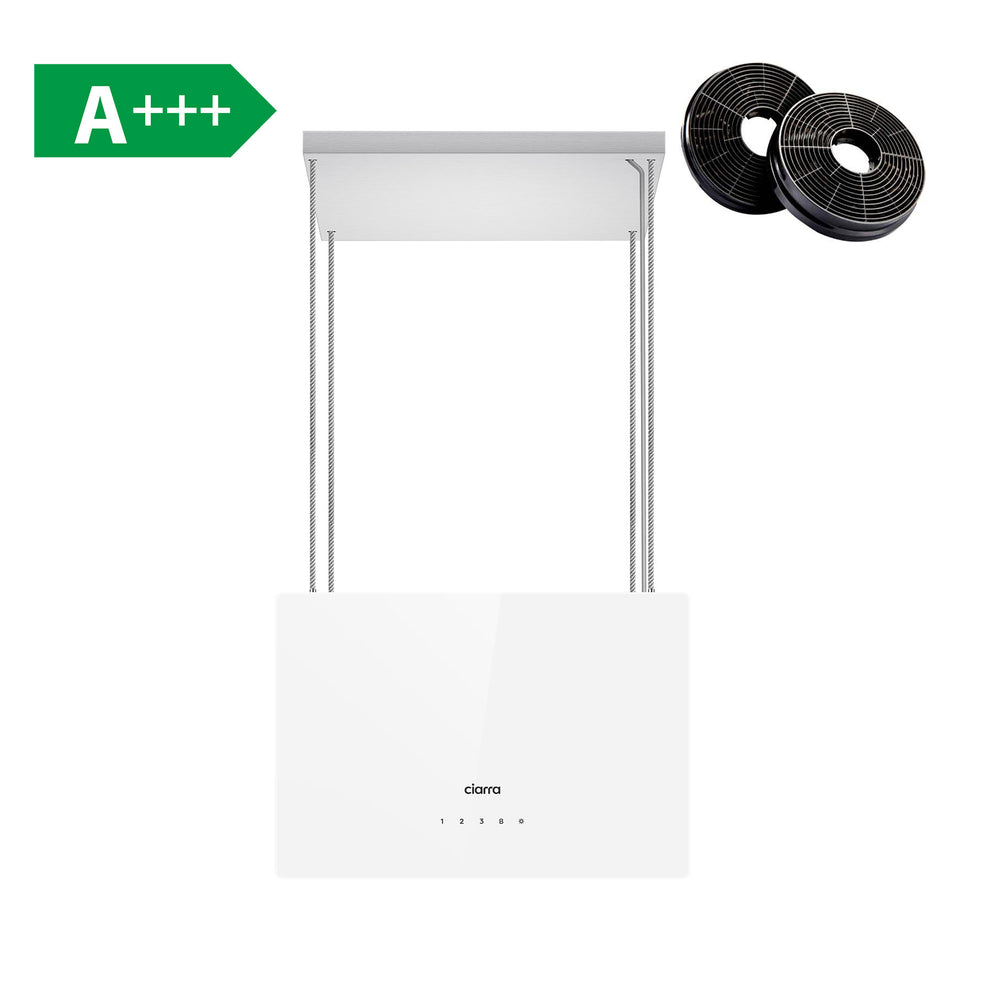
A pendant extractor fan is a type of cooker hood designed to hang from the ceiling above a hob, usually on a kitchen island or peninsula. Its suspended design gives it a lighter, more decorative appearance than many conventional wall-mounted or chimney cooker hoods.
Some pendant extractors resemble pendant lighting, while others use a more recognisable extractor-hood shape. Depending on the model, they may combine extraction with integrated LED lighting, letting one appliance serve two functions above the cooking area.
This makes pendant extractors particularly relevant to modern open-plan kitchens, where the island can be visible from the dining or living area. Rather than treating the extractor as purely functional equipment, the design can become part of the overall kitchen scheme.

Ducted or Recirculating: Which Pendant Extractor Fan Do You Need?
One of the most important decisions is how the extracted air will be handled. Pendant extractor fans can use either ducted extraction or recirculation, depending on the specific model.
1. Ducted Extraction
With a ducted system, cooking vapours and extracted air are carried through ducting and discharged outside the building. This can be an effective solution when suitable ductwork can be installed and local installation requirements allow it.
However, an island installation may require planning for ducting through the ceiling or another suitable route. This needs to be considered before the kitchen is fitted, rather than after the extractor has been purchased.
2. Recirculating Extraction
With recirculation, air passes through the grease filters and, where fitted, an activated carbon filter before being returned to the kitchen.
This can make installation easier when external ducting is impractical. It is important to understand its limitations, however. Recirculation can help capture grease and reduce some cooking odours, but it does not discharge moisture to the outside and should not be treated as a replacement for appropriate room ventilation.
For this reason, check whether the pendant extractor you are considering is designed specifically for recirculation or supports both recirculating and ducted installation. Also check whether carbon filters are included or need to be purchased separately.
Does a Recirculating Cooker Hood Actually Work?
Yes, a recirculating cooker hood can be effective at reducing cooking smells and grease, but it has an important limitation: it does not remove moisture from the kitchen. The air passes through a grease filter and activated carbon filter before being returned to the room. The carbon filter helps absorb cooking odours, while the grease filter captures airborne grease.
It is also important to note that many pendant-style cooker hoods are designed specifically for recirculating extraction rather than external ducted extraction. This can make them easier to incorporate into an island kitchen where installing ductwork through the ceiling is difficult, but it also means you should check the extraction method before buying.
So, if your main concern is “Will my living room still smell after cooking?”, a well-maintained recirculating hood can make a noticeable difference. However, if your concern is “Will it stop steam and condensation on my windows?”, the answer is no. Water vapour remains in the room, so you may still need to open windows or use other kitchen ventilation after cooking.
If you are considering an island cooker hood, it can also be useful to look beyond the product specifications and see how different models perform in real kitchens. For example, the Ciarra Island Cooker Hood Reviews article brings together user and influencer experiences covering extraction, odour and moisture control, noise, lighting and everyday kitchen use.
How to Match a Pendant Extractor Fan with Your Kitchen
The appearance of a pendant extractor fan is often the first thing that attracts attention, but the same design can look very different depending on your kitchen. Before choosing one, consider the colour, shape, size and materials already used around your island.
Modern or minimalist kitchens: Choose a simple black, white or neutral design that follows the clean lines of your cabinets and worktop.
Scandinavian kitchens: Light colours, natural wood and simple shapes can create a bright, understated look. A dark extractor can also work as a deliberate contrast.
Industrial kitchens: Black or stainless-steel finishes can complement metal, concrete-effect surfaces and exposed materials.
Wooden kitchens: Use the extractor to create either contrast or continuity. Black can stand out against light oak, while stainless steel can echo existing appliances.
Modern classic kitchens: A refined metallic finish can coordinate with brass or other hardware, while a simple dark design can add a contemporary touch.
Also consider your kitchen island and existing lighting. If you already have pendant lights, an extractor with integrated lighting may help avoid too many fittings above the cooking area. For a large island, make sure the extractor looks proportionate rather than too small; for a compact kitchen, a visually lighter design may prevent the space from feeling crowded.


Most importantly, don't judge a pendant extractor from the product photo alone. Look at the whole kitchen setting and ask whether its finish, proportions and style would work with your own cabinets, worktop, island and lighting. Then check the practical details—such as installation height, hob compatibility, extraction method, noise and filter maintenance—before making your final choice.
Why Choose a Pendant Extractor Fan for a Kitchen Island?
Choosing a pendant extractor fan (island hanging cooker hood) for a kitchen island offers several distinct design and functional advantages:
1. Unobstructed Sightlines & Open Space: Unlike traditional, bulky vertical chimney hoods, a pendant extractor eliminates heavy overhead visual clutter.
2. Dual Functionality as Decorative Statement Lighting: Designed to mirror high-end ambient light fixtures, pendant hoods serve as eye-catching centerpiece decor.
3. Versatile Architectural Aesthetics: Available in modern geometric, industrial cylinder, and sculpted artisanal finishes, pendant extractors integrate seamlessly into contemporary, minimalist, or luxury interior designs without looking like standard industrial utility appliances.
4. Flexible Recirculation & Easy Installation: Most pendant models utilize high-efficiency activated charcoal and grease filtration systems for air recirculation. This removes the need for complex, invasive exterior ductwork through ceiling joists, making them an ideal solution for apartments, high-rises, or budget-conscious kitchen remodels.
Are Pendant Extractor Fans noisy?
In an open-plan house, cooker hood noise is one of the biggest sources of user dissatisfaction. If an extractor is too loud, homeowners simply avoid turning it on, leaving grease to settle on surrounding furniture.
What to Look For in Performance Specs:
Airflow Rate (m3/h): For standard open-plan kitchens, target an airflow rate between 400 m3/h and 650 m^3/h. This ensures efficient room air turnover during active frying or searing.
1. Decibel (dB) Ratings:
- Low speed (ambient background): 45 dB – 52 dB (ideal for dinner conversations).
- High speed / Boost: 60 dB – 68 dB (used briefly for heavy smoke).
2. Surface Cleanability: Because suspended hoods hang directly over hot cooking pans, oil vapor naturally settles on the exterior casing. Choose smooth, non-porous finishes (like painted steel or smooth glass) that can be easily wiped down with a microfiber cloth and soapy water.
How Often Do Filters Need Replacing?
For recirculating pendant hoods, air filter maintenance depends on the technology used:
1. Standard Charcoal / Carbon Filters: Require replacement every 3 to 6 months (or around 120–150 cooking hours) to maintain efficient odor absorption.
2. Plasma Filters: Use electrostatic discharge and catalytic reactions to break down odors, bacteria, and allergens at a molecular level. They require no replacement and are designed to last the entire lifespan of the extractor hood with zero consumable costs.
3. Long-Life / Regenerative Carbon Filters: Can be reactivated by washing or baking in a conventional oven (typically every 2–3 months) and reused for 2 to 3 years before needing replacement.
4. HEPA Filters: Offer high-efficiency particle trapping that neutralizes up to 99.97% of airborne contaminants, eliminating fine grease, smoke particles, mold spores, and odor-causing bacteria. These usually require replacement every 6 to 12 months.
5. Aluminum / Stainless Steel Mesh Filters: Capture heavy grease particles right at the surface. They are permanent and dishwasher-safe, requiring only periodic washing rather than replacement.
Reference:
- Ciarra Plasma⁺: Stop Breathing Cooking Pollution
- Top Benefits of Using a HEPA Filter in Your Kitchen
Practical Planning & Technical Requirements
To avoid installation surprises, evaluate your kitchen's structural and electrical conditions prior to ordering your fan.
![CEILING MOUNTING POINT | | (Must support 15kg - 30kg load depending on motor weight) | +-------------------------------------------------------------------------+ | Suspension Cables / Cord (Adjustable Height: 65cm–75cm) | +-------------------------------------------------------------------------+ | PENDANT HOOD BODY | | [ Ambient Lighting ] -> [ Grease Filter ] -> [ Carbon Odour Filter ] | +-------------------------------------------------------------------------+ | 65cm - 75cm Gap | +-------------------------------------------------------------------------+ | INDUCTION / GAS HOB](https://cdn.shopify.com/s/files/1/0436/4310/9542/files/island_cooker_hood3_1024x1024.png?v=1789719214)

Critical Installation Checklist:
Ceiling Load-Bearing Capacity: Pendant extractors contain internal motors, lighting units, and heavy housing. Ensure your ceiling joists or concrete fixings can safely support weights typically ranging between 15 kg and 30 kg.
1. Suspension Height Rules:
- Induction/Electric Hobs: Maintain a minimum distance of 65 cm between the top of the hob and the base of the fan.
- Gas Hobs: Maintain a minimum distance of 75 cm to prevent heat damage or flame interference.
2. Power Preparation: Pendant fans require an overhead mains electrical feed hidden behind the ceiling rose plate. Plan cable routes early during the first-fix electrical installation phase.
3. Sizing vs. Hob Width: Your pendant extractor should ideally cover the width of your main cooking zone to effectively capture rising plume plumes.
Tip: Want to Learn More Before Buying an Island Cooker Hood?
If you are considering an island cooker hood and want more detailed information before making a decision, take a look at Ciarra’s Ultimate Guide to Island Cooker Hoods. It covers the key points European homeowners should consider, including hood size, installation height, extraction power, noise levels, ducted vs. recirculating systems, filters, cleaning, lighting and overall kitchen design.
Conclusion
A pendant extractor fan is the ideal intersection of interior design and kitchen engineering. By replacing industrial ceiling boxes with sleek, suspended lighting units, you can keep your kitchen island open, bright, and free of persistent cooking odours. When chosen with the right extraction capacity and maintained with fresh charcoal filters, a pendant hood acts as both a reliable workhorse and a striking center point for your modern home.
FAQs
Will an Island Cooker Hood or Pendant Extractor Get Covered in Grease, and Is It Easy to Clean?
Yes, like any cooker hood installed above an island hob, a pendant-style or island cooker hood can collect grease and cooking residue over time. How easy it is to clean depends on the surface finish and filter design. Smooth external surfaces are generally easier to wipe down, while removable grease filters are more convenient for regular cleaning. If the hood is also used as a light, keeping the lower surface clean can help maintain both its appearance and lighting performance.
Can an Island Cooker Hood Hang Too Low and Get in the Way While Cooking?
Yes. The hanging height needs to provide enough clearance for comfortable cooking and should follow the manufacturer's installation requirements. A hood that is positioned too low can interfere with your view, especially when using large pans or cooking on the front zones of an island hob. Before installation, consider both the required hob-to-hood clearance and the height of the people who regularly use the kitchen.
How Do I Coordinate a Ceiling-Mounted Hood, Downdraft Extractor and Pendant Lighting?
The key is to avoid placing several large elements directly above the same cooking area. If you choose a ceiling-mounted or pendant-style cooker hood, it may already provide a strong visual feature and, in some models, integrated lighting. A separate pendant light may therefore be unnecessary above the hob. A downdraft extractor offers a different approach because the extraction unit is positioned closer to the hob rather than hanging overhead, leaving more visual space above the island for decorative lighting.
Does a Downdraft Extractor Take Up Island Storage Space?
It can, depending on the design and installation method. Some downdraft systems require space inside the island cabinetry for the extraction mechanism and ducting. This may reduce the amount of usable storage compared with a traditional or overhead island cooker hood. When planning a kitchen island, check the manufacturer's installation dimensions before deciding how much cabinet space will remain available.
Does an Island Cooker Hood Reduce the Visual Obstruction of a Large Chimney-Style Hood?
It can. One reason homeowners choose a pendant-style or more streamlined island cooker hood is to avoid the large, enclosed chimney structure associated with some traditional island hoods. A slimmer or more sculptural design can leave more open visual space above the island while still providing extraction or recirculation. This can be particularly relevant in open-plan kitchens, where the island is visible from the dining or living area. However, the actual visual impact depends on the hood's size, shape, hanging height and the proportions of the kitchen.
Notícias

Sustaining Quality, Elevating Kitchens: The CIARRA Story So Far

From IFA to KBIS: Ciarra’s Global Expansion and 8-Year Milestone


Comentários
Ainda não há comentários.