












Waarom heb je een afzuigkap nodig?
In het Verenigd Koninkrijk en in heel Europa schrijven de voorschriften voor dat keukens, vooral in nieuwe gebouwen, zijn uitgerust met effectieve systemen om stoom en condensatie af te voeren. Dit kan worden bereikt met een afzuigventilator met een afvoerkanaal of een afzuigkap, waarmee schimmelvorming wordt voorkomen en een gezonde omgeving wordt behouden. In de loop der tijd zijn het ontwerp en de technologie van afzuigkappen geëvolueerd om zowel aan functionele als esthetische behoeften te voldoen, waardoor ze een belangrijk onderdeel van elke keuken zijn geworden.
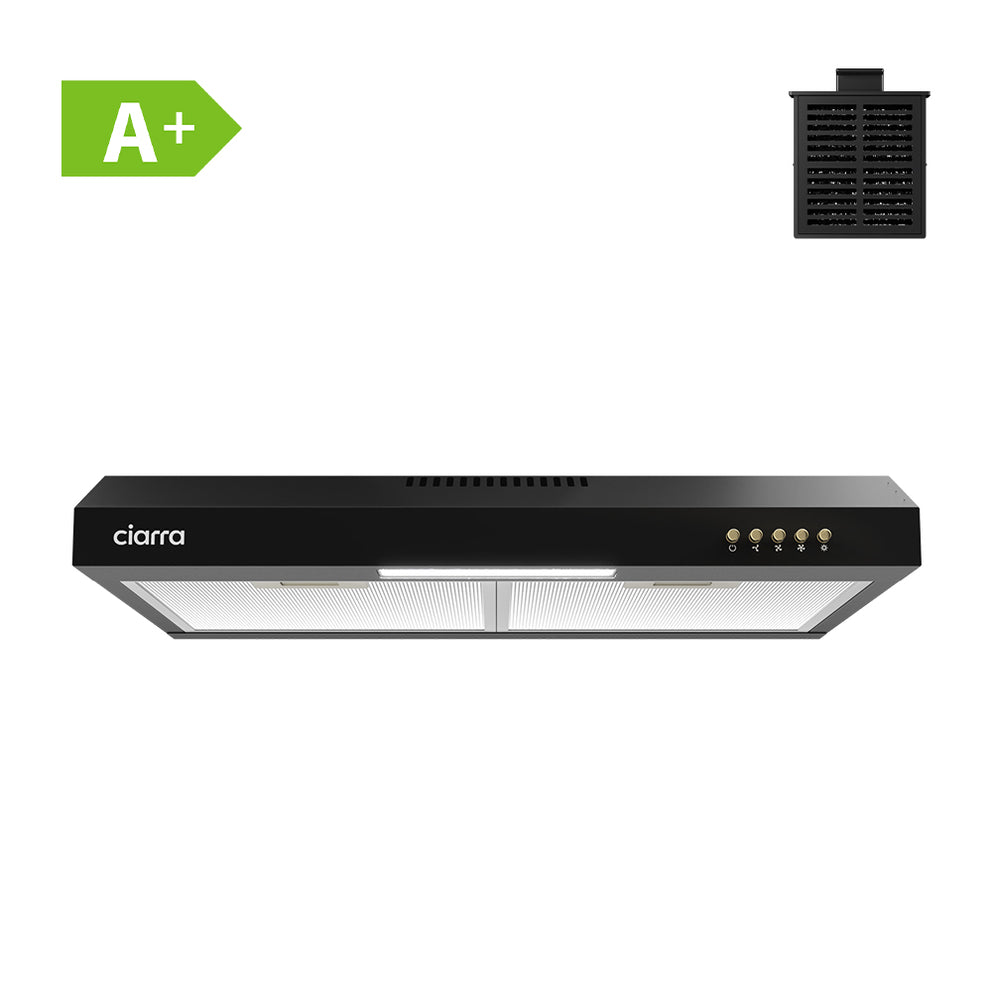
Afzuigkappen zijn verkrijgbaar in verschillende stijlen en formaten, van compacte modellen van 60 cm die ideaal zijn voor kleinere keukens tot grotere afzuigkappen van 90 cm die geschikt zijn voor ruimere keukens. Eilandafzuigkappen vormen vooral een opvallend statement in open keukens, terwijl inbouwmodellen naadloos in je keukenkastjes worden geïntegreerd. De keuze tussen deze modellen hangt af van de indeling van je keuken, je stijlvoorkeuren en de manier waarop je de ruimte wilt gebruiken.
Soorten afzuigkappen en hun kenmerken
Wandafzuigkappen
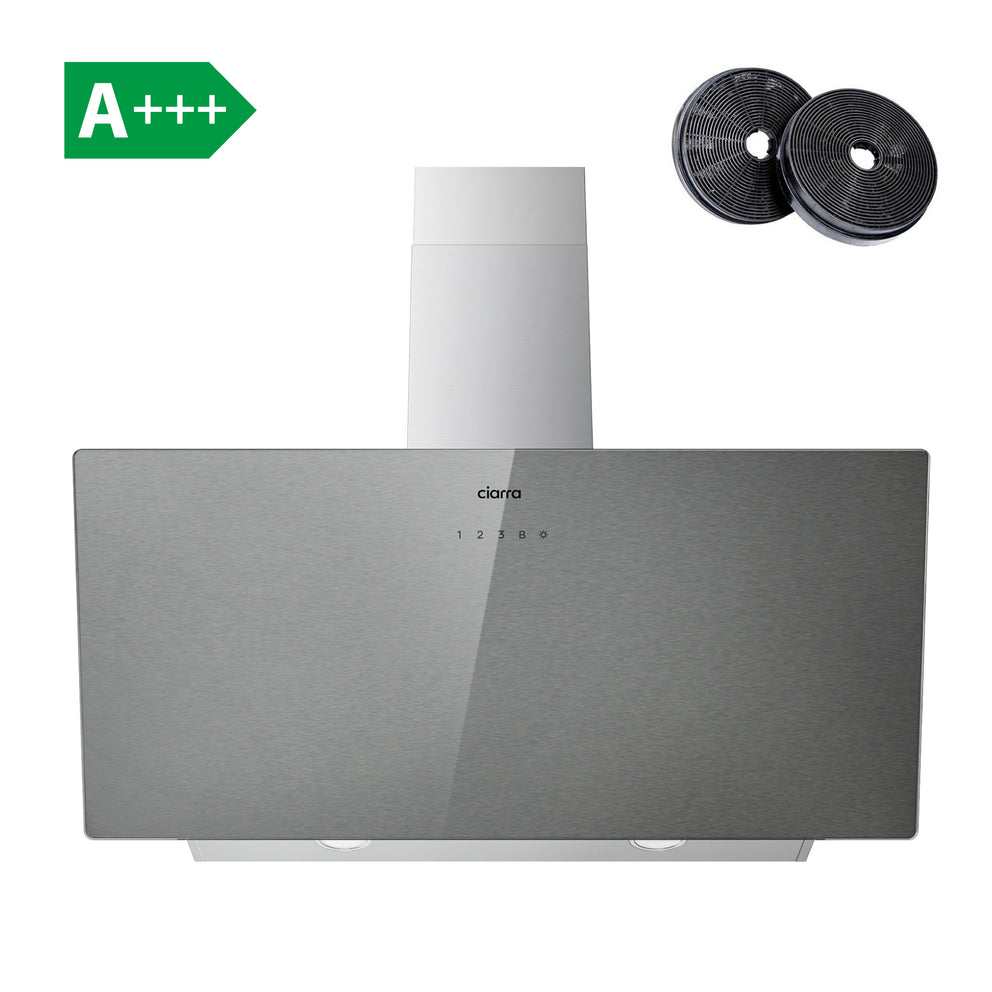
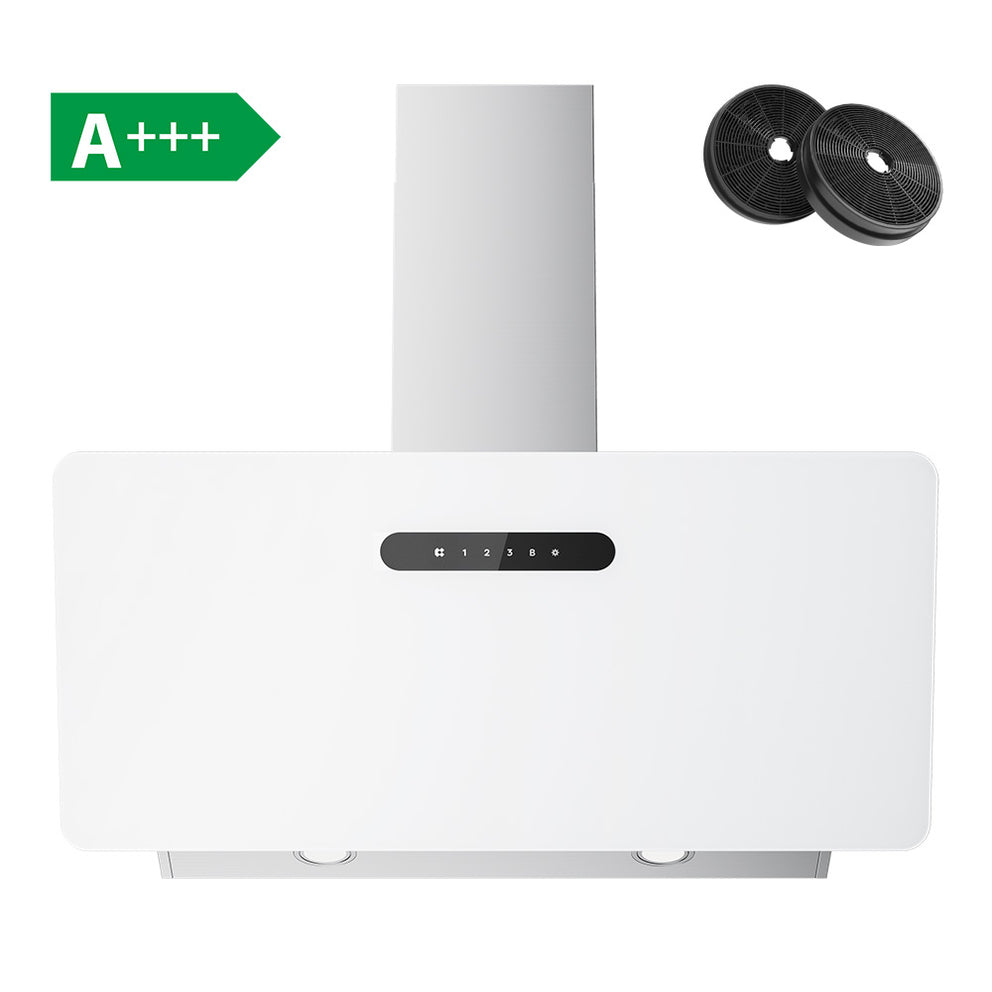
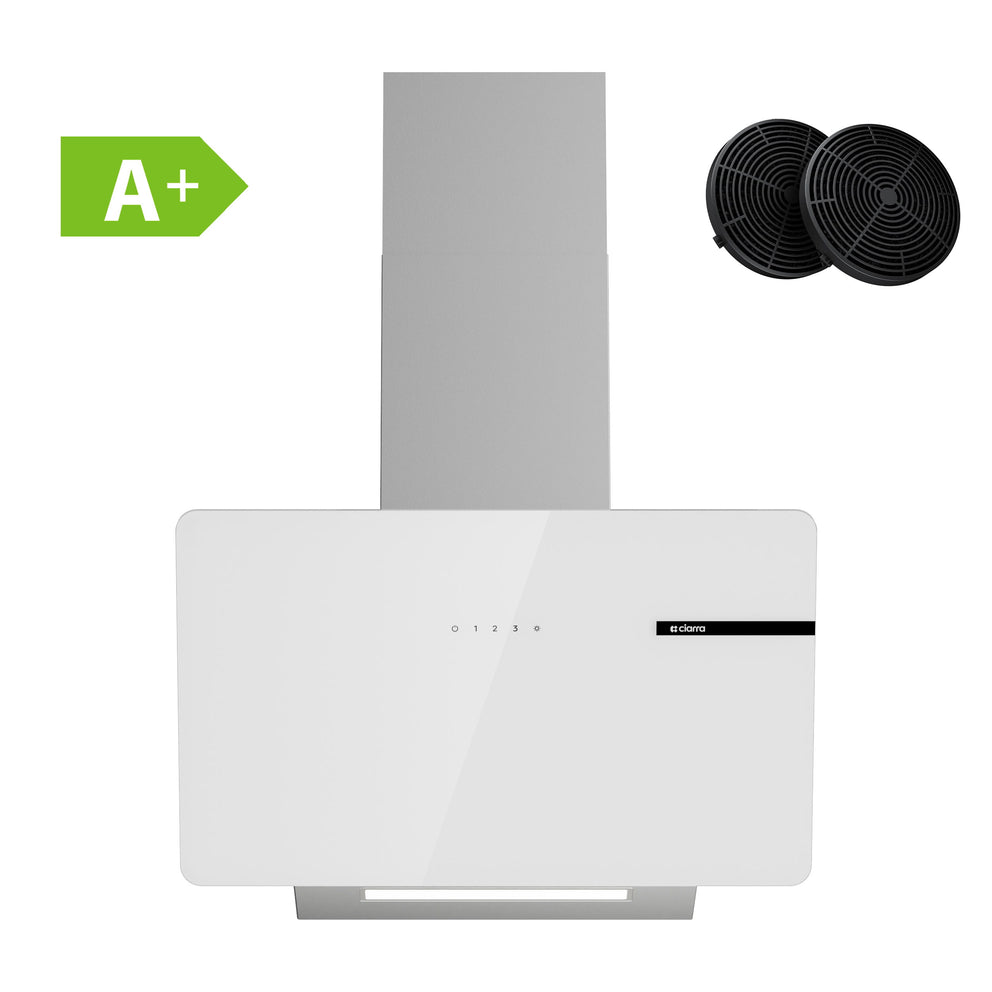
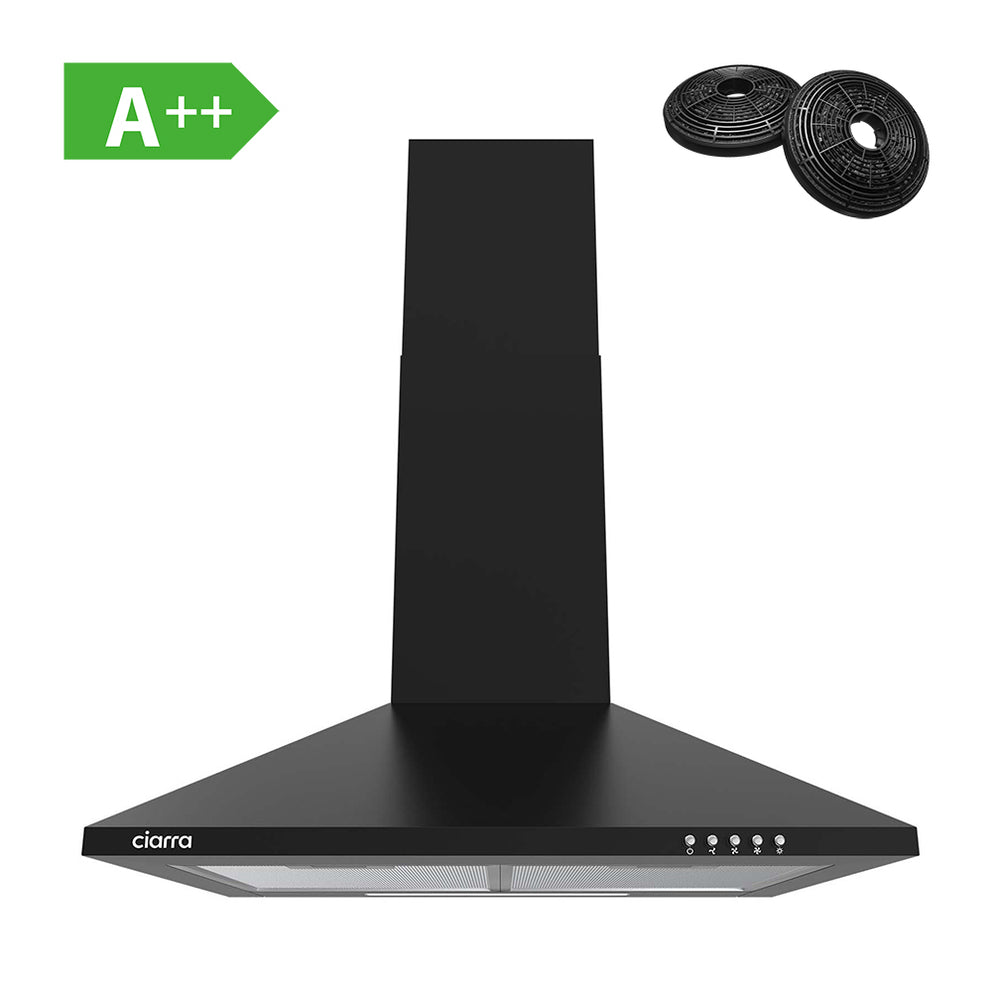
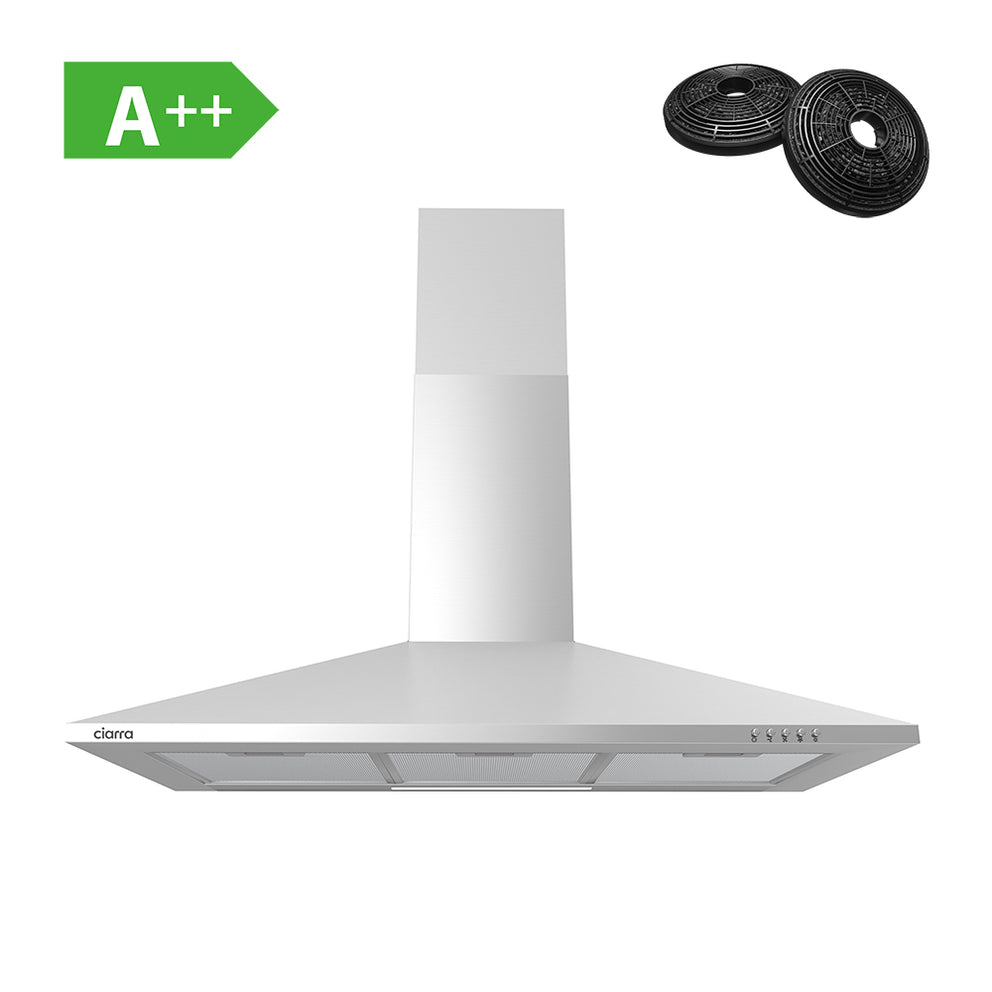
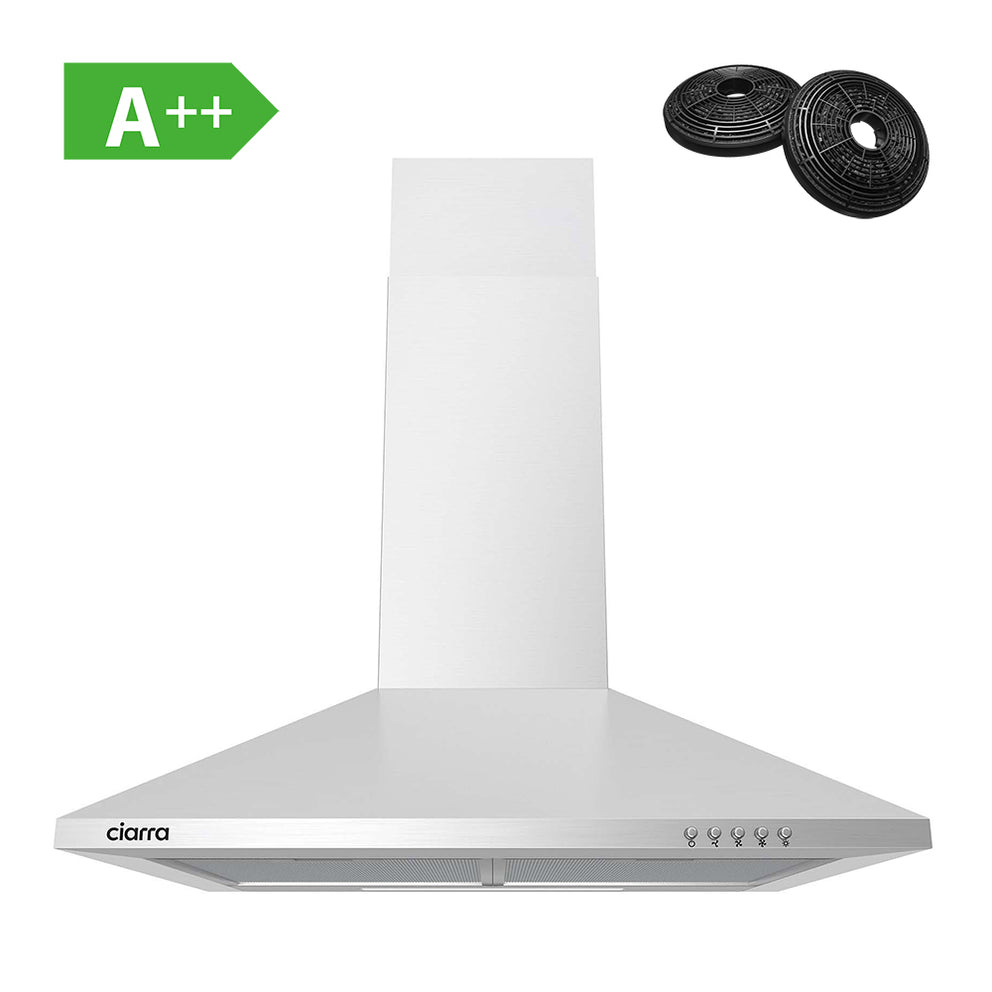
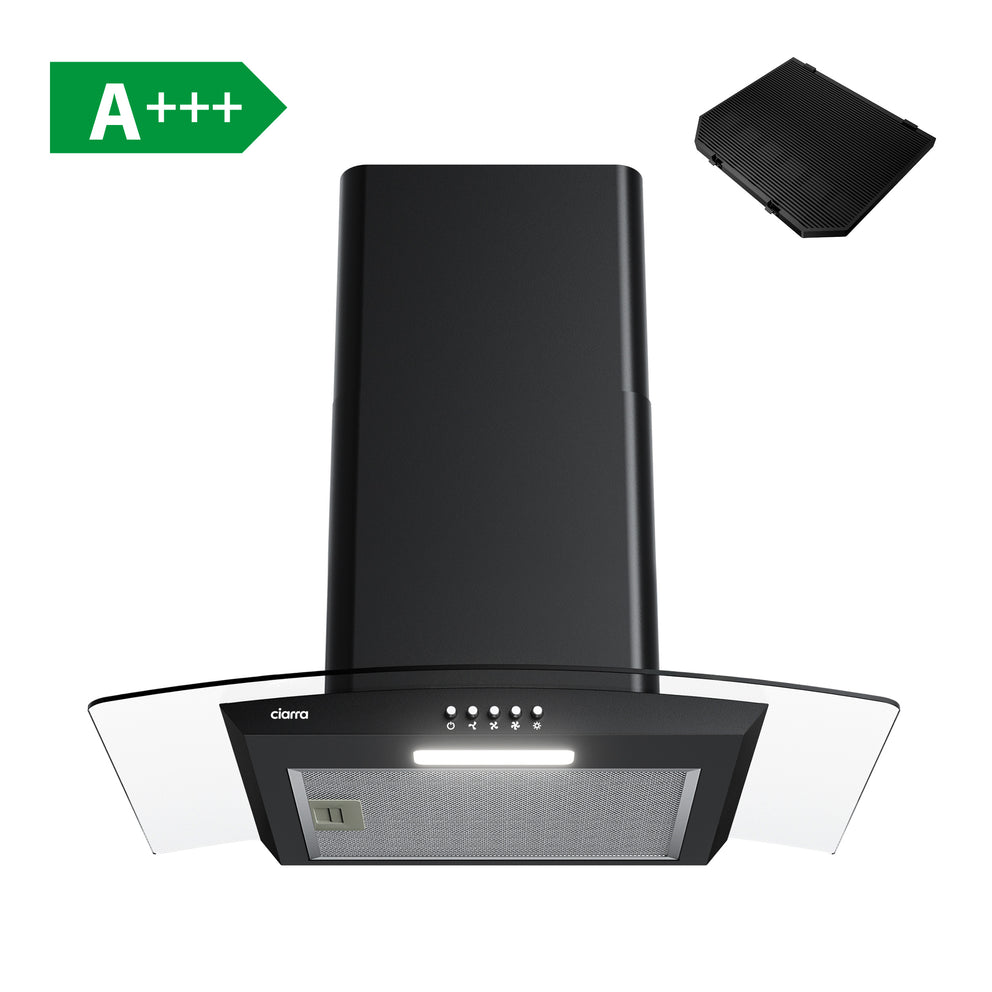
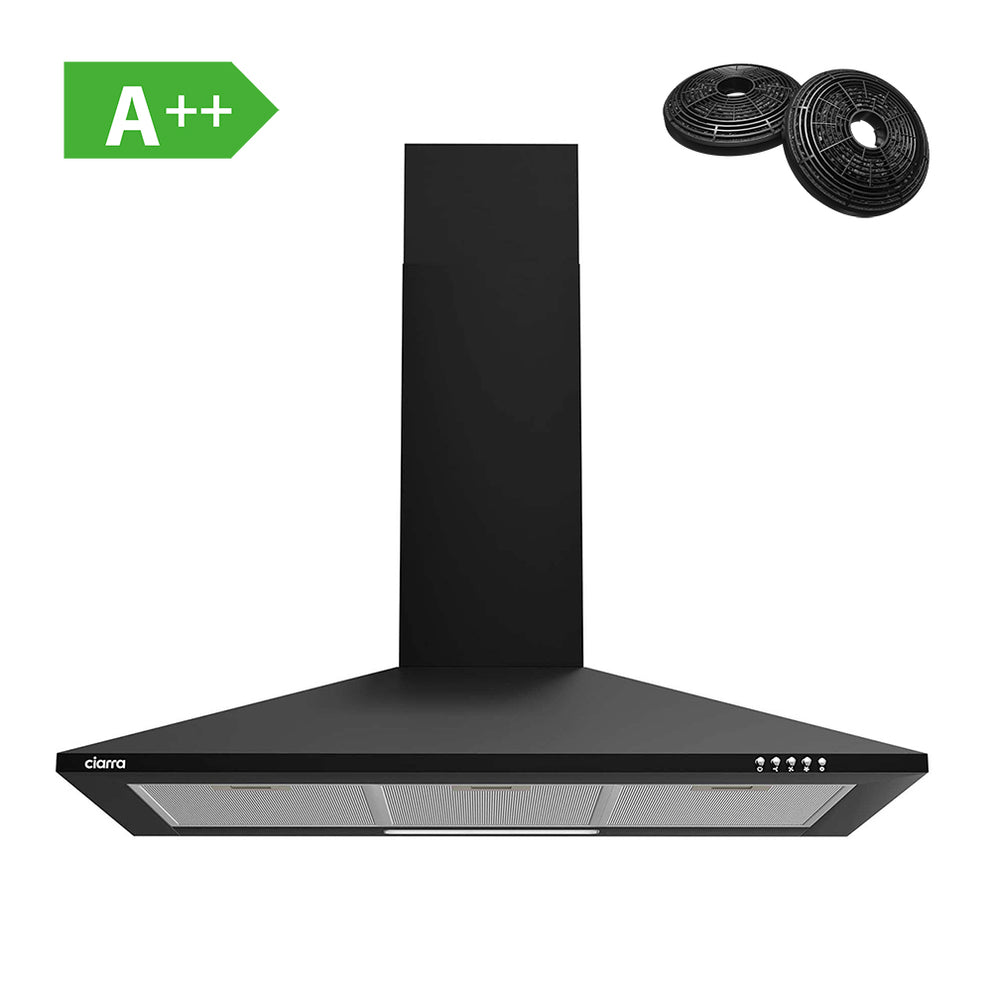
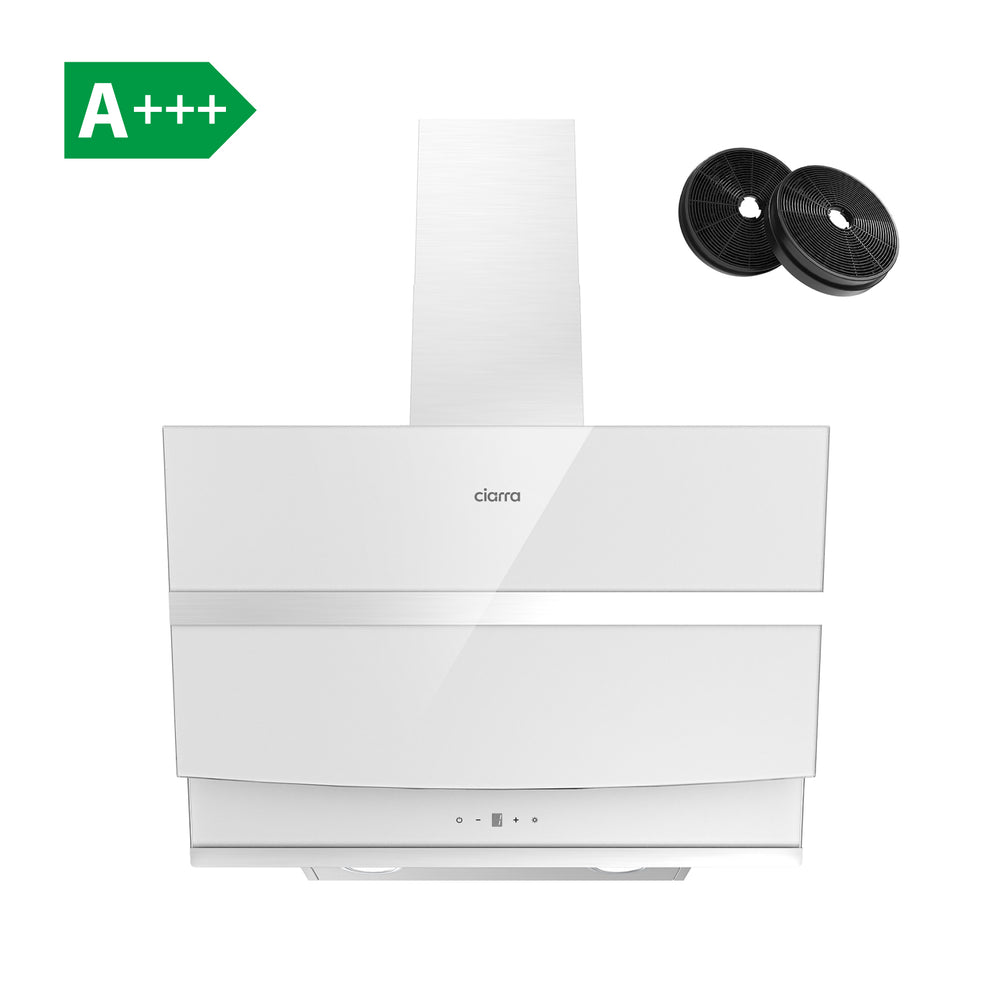
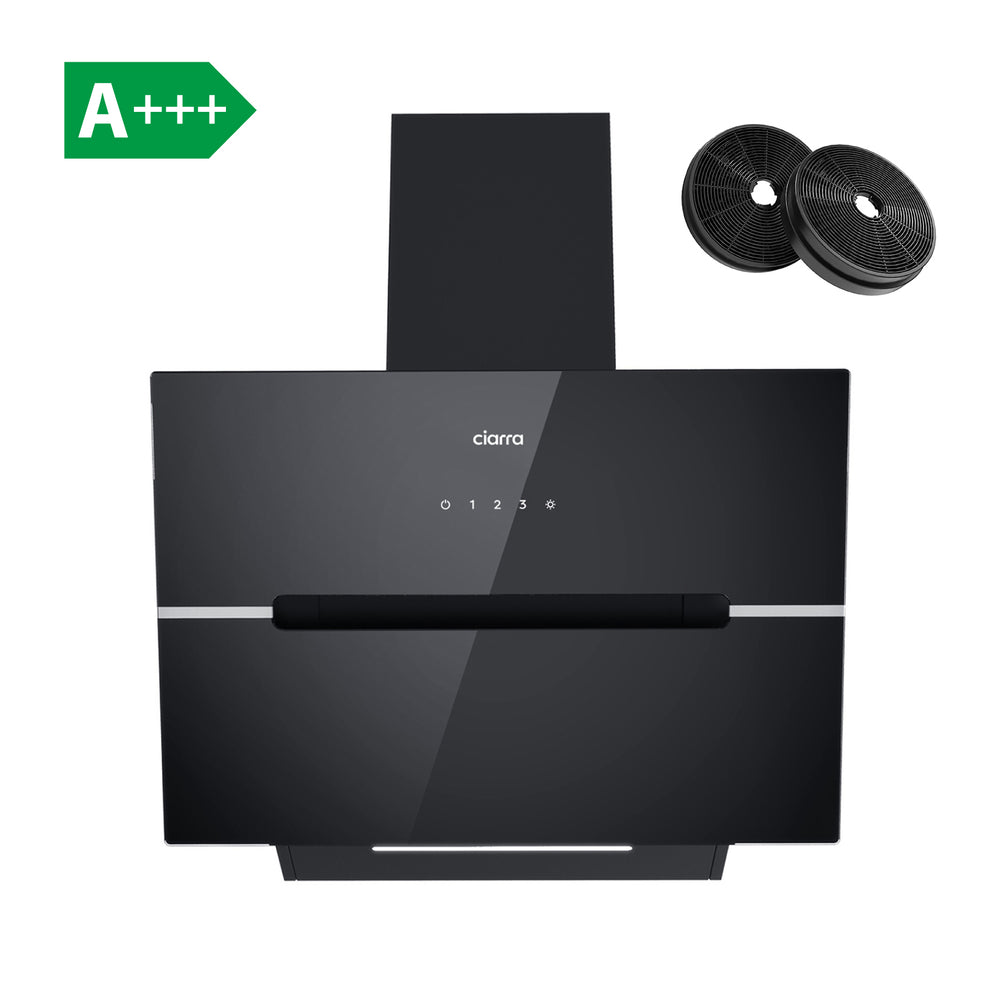
Dit is het meest voorkomende type afzuigkap, dat aan de wand boven je kookgedeelte wordt geïnstalleerd. Ze hebben vaak een schouwontwerp en zijn verkrijgbaar in verschillende materialen, zoals roestvrij staal en glas, die passen bij een moderne keukeninrichting.
Eilandafzuigkappen
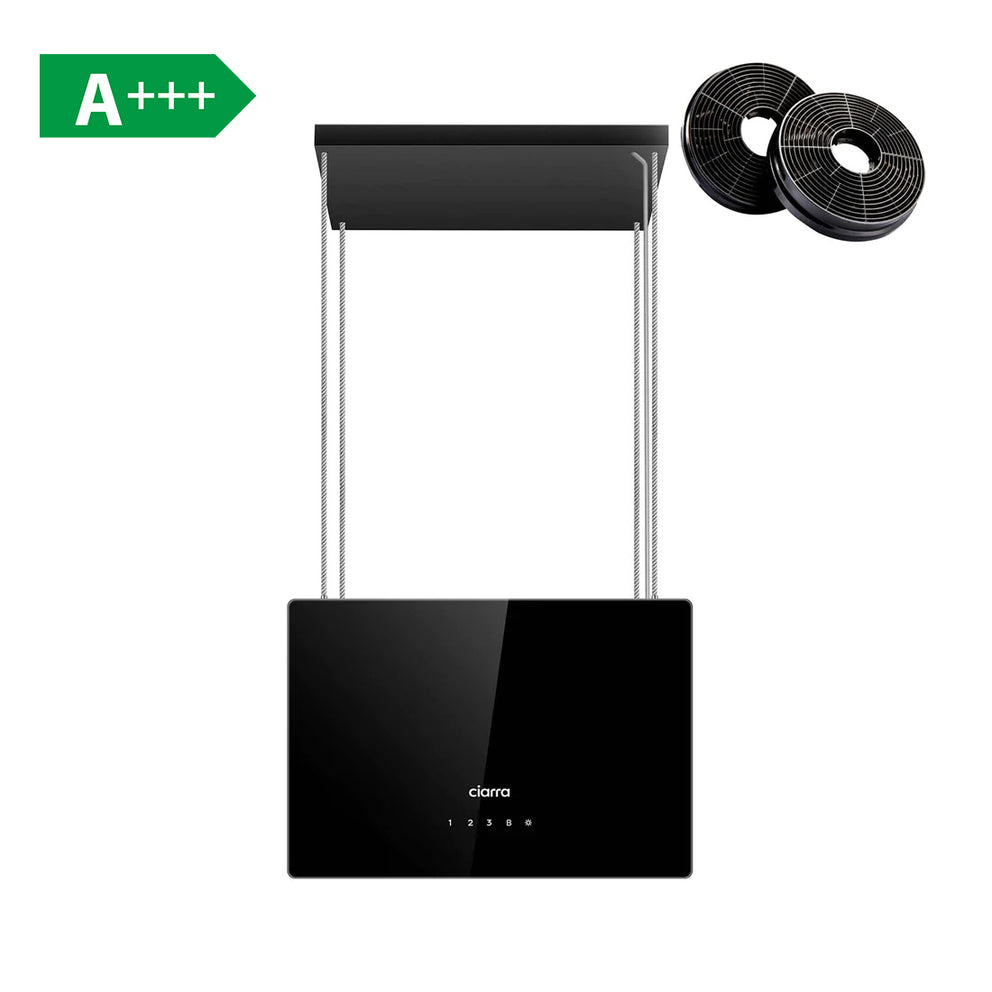
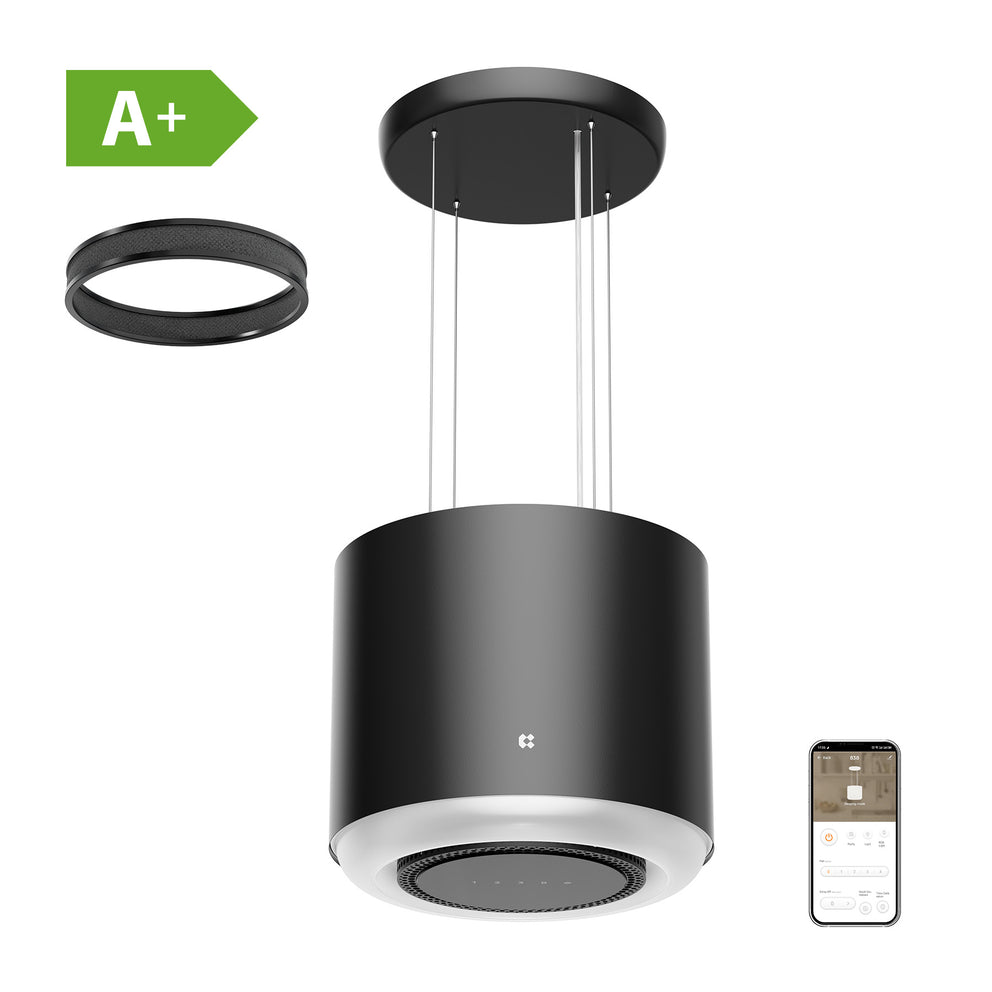
Zoals de naam al doet vermoeden, zijn eilandafzuigkappen ontworpen voor keukens met vrijstaande kookplaten die op een eiland zijn geplaatst. Deze afzuigkappen worden aan het plafond gemonteerd en staan bekend om hun krachtige afzuigsystemen, die ideaal zijn voor het verwijderen van rook en geuren in grote, open ruimtes.
Inbouwafzuigkappen
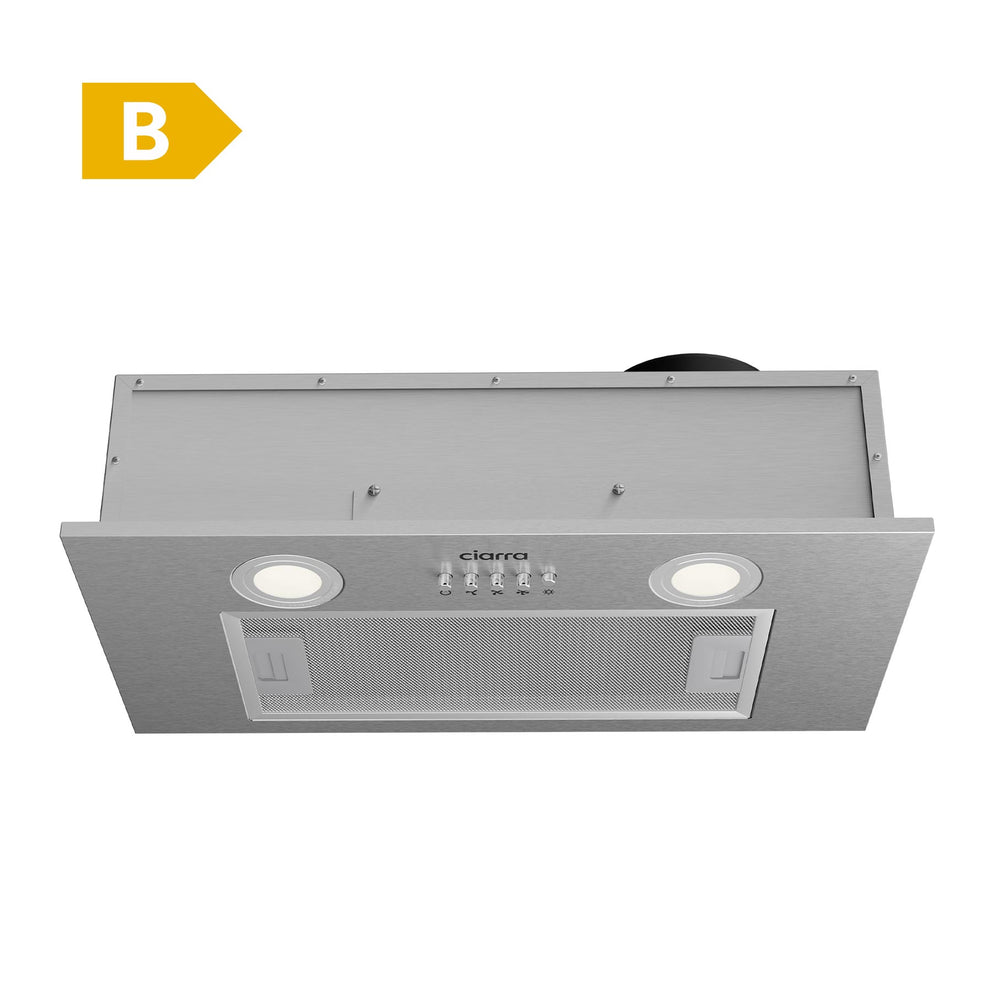
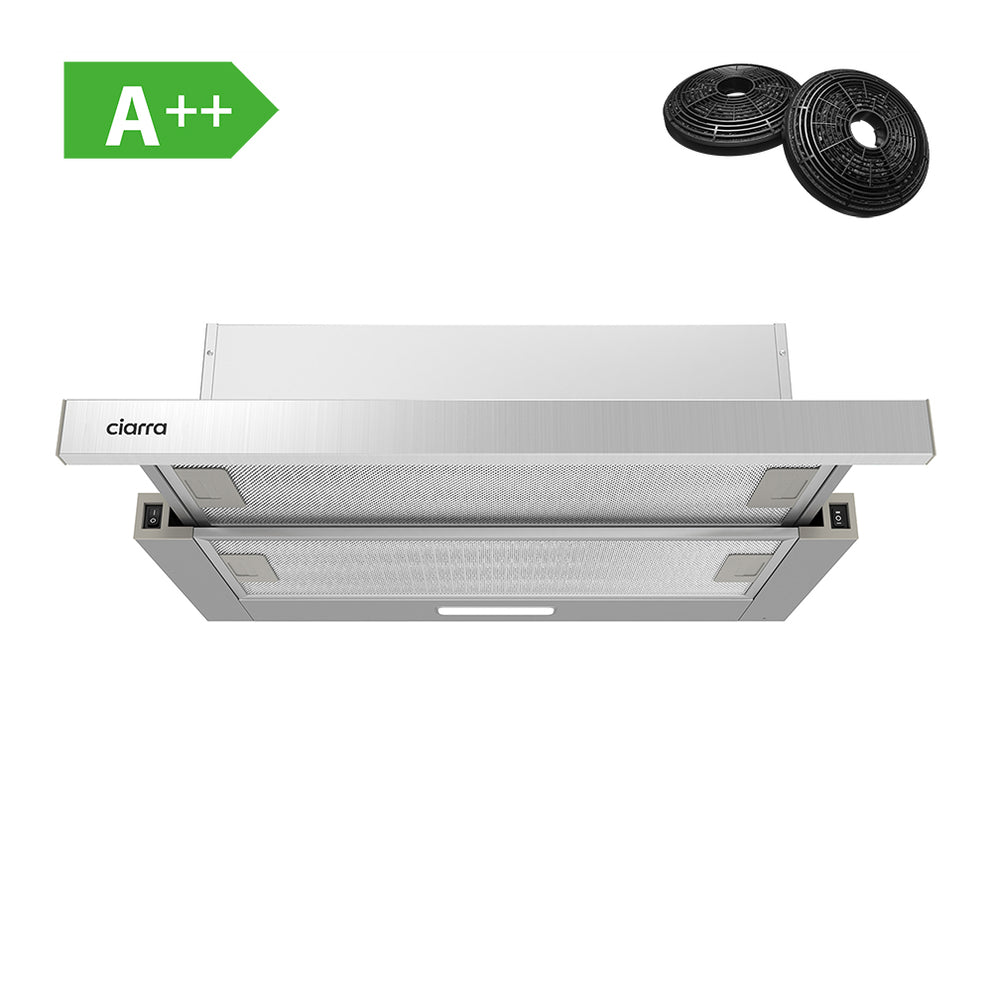
Voor een strakker en minimalistisch keukenontwerp worden inbouwafzuigkappen in keukenkastjes weggewerkt. Deze afzuigkappen besparen ruimte en gaan naadloos op in hun omgeving, waardoor ze ideaal zijn voor moderne of eigentijdse keukens.
Afzuigkappen met gebarenbediening: moeiteloze, hygiënische bediening
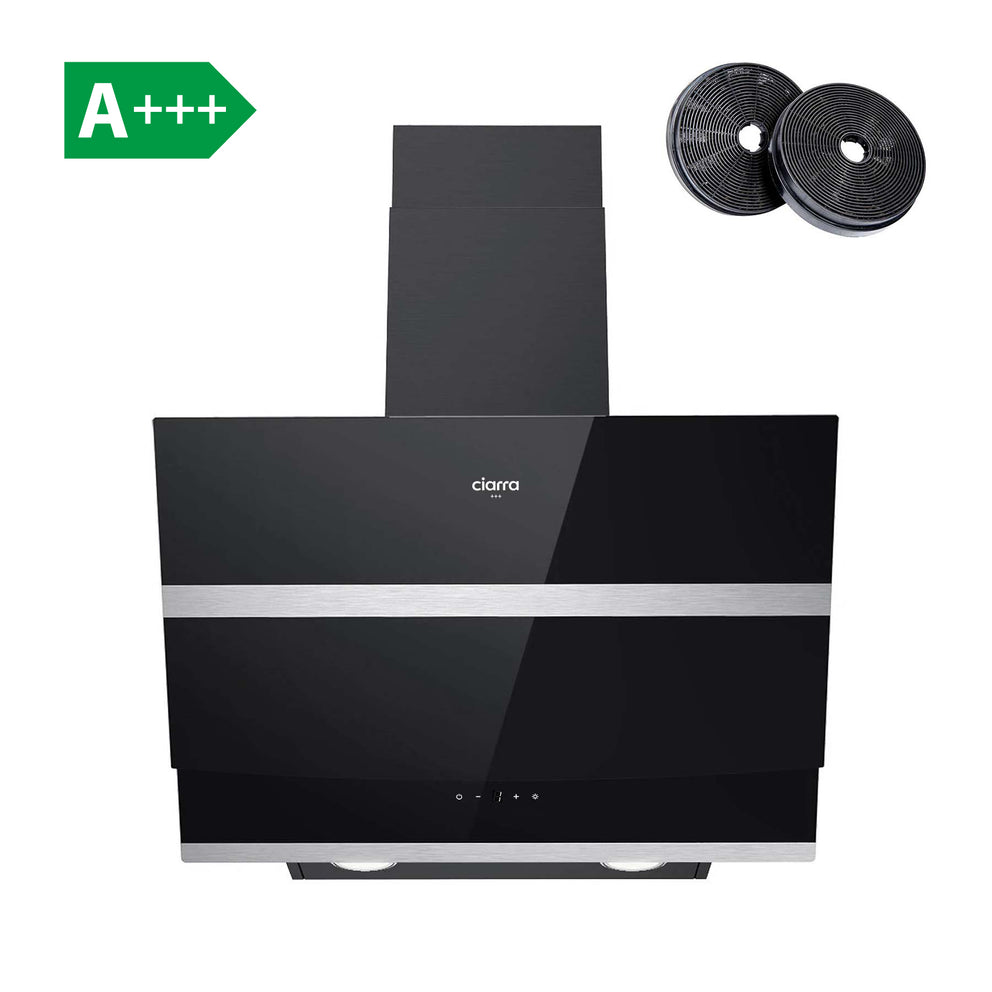
Stel je voor dat je een heerlijke maaltijd bereidt, maar dat je keuken zich met rook vult terwijl je vis bakt of groenten roerbakt. Met vette handen aarzel je misschien om de knoppen van de afzuigkap aan te raken, of stop je om je handen te wassen, waardoor je kookproces wordt onderbroken. Daar komen afzuigkappen met gebarenbediening van pas - een innovatieve functie waarmee je je afzuigkap met slechts een eenvoudige handbeweging kunt inschakelen, aanpassen en uitschakelen. Je hoeft geen knoppen aan te raken en laat geen vingerafdrukken achter.
Deze functie met gebarenbediening is vooral waardevol in compacte keukens waar de ruimte beperkt is en hygiëne een prioriteit is. Van Parijse appartementen tot knusse keukens in Kopenhagen: netheid en gebruiksgemak zijn universele aandachtspunten. De slimme afzuigkappen van Ciarra lossen dit probleem op en bieden een contactloze ervaring, wat vooral belangrijk is in het post-pandemische tijdperk waarin het beperken van contact steeds meer wordt gewaardeerd.
Flexibel gebruik: afvoer- of recirculatiemodus
Een van de opvallendste kenmerken van de afzuigkappen van Ciarra is dat ze in twee modi kunnen werken: afvoermodus en recirculatiemodus.
Afvoermodus (externe ventilatie)
Deze modus is de meest effectieve optie om rook, vet en geuren uit de keuken te verwijderen. De lucht wordt in de afzuigkap gezogen, gefilterd en via een afvoerkanaal naar buiten afgevoerd. Deze methode is vooral nuttig wanneer je keuken over een ventilatiekanaal beschikt en is doorgaans de efficiëntste manier om je keuken schoon te houden.
Recirculatiemodus (interne filtering)
Als je keuken geen geschikt ventilatiesysteem heeft of als het installeren van afvoerkanalen niet haalbaar is, kunnen de afzuigkappen van Ciarra eenvoudig worden omgeschakeld naar de recirculatiemodus. In plaats van de lucht naar buiten af te voeren, gebruikt de afzuigkap een hoogwaardig filtersysteem om de lucht te reinigen en terug te voeren naar de keuken. De lucht wordt gezuiverd met vetfilters en, indien nodig, actieve koolstoffilters om geuren te verwijderen. Bij regelmatig filteronderhoud is dit systeem zeer effectief en blijft je keuken fris.
De juiste filters voor je afzuigkap kiezen
Alle moderne afzuigkappen zijn uitgerust met filters om ervoor te zorgen dat de lucht goed wordt gezuiverd. Vetfilters, actieve koolstoffilters en honingraatfilters zijn veelvoorkomende typen filters die in afzuigkappen worden gebruikt, waarbij elk type een specifiek doel dient:
Vetfilters: deze filters vangen vet en kookdampen op en voorkomen dat deze zich ophopen in de afzuigventilator en de afvoerkanalen. Regelmatig reinigen of vervangen is noodzakelijk voor optimale prestaties.
Actieve koolstoffilters: deze zijn essentieel voor het verwijderen van onaangename geuren. Ze werken door rook en kookdampen te absorberen en vast te houden. Deze filters moeten regelmatig worden vervangen voor een efficiënte werking.
Waarom kiezen voor een afzuigkap van Ciarra?
Ciarra biedt een breed assortiment hoogwaardige afzuigkappen die zijn ontworpen voor de behoeften van keukens in het Verenigd Koninkrijk en Europa. Of je nu op zoek bent naar een wandafzuigkap, een eilandafzuigkap of een inbouwmodel, Ciarra heeft de perfecte oplossing voor jouw ruimte. Met krachtige afzuigsystemen, stijlvolle ontwerpen en energiezuinige functies zijn de afzuigkappen van Ciarra gemaakt om lang mee te gaan en je keukenervaring te verbeteren.
Investeren in een afzuigkap zorgt ervoor dat je keuken schoon, fris en vrij van geuren blijft. Met de juiste afzuigventilator of afzuigkapfilters kun je genieten van een kookomgeving die niet alleen comfortabeler, maar ook gezonder is.


